

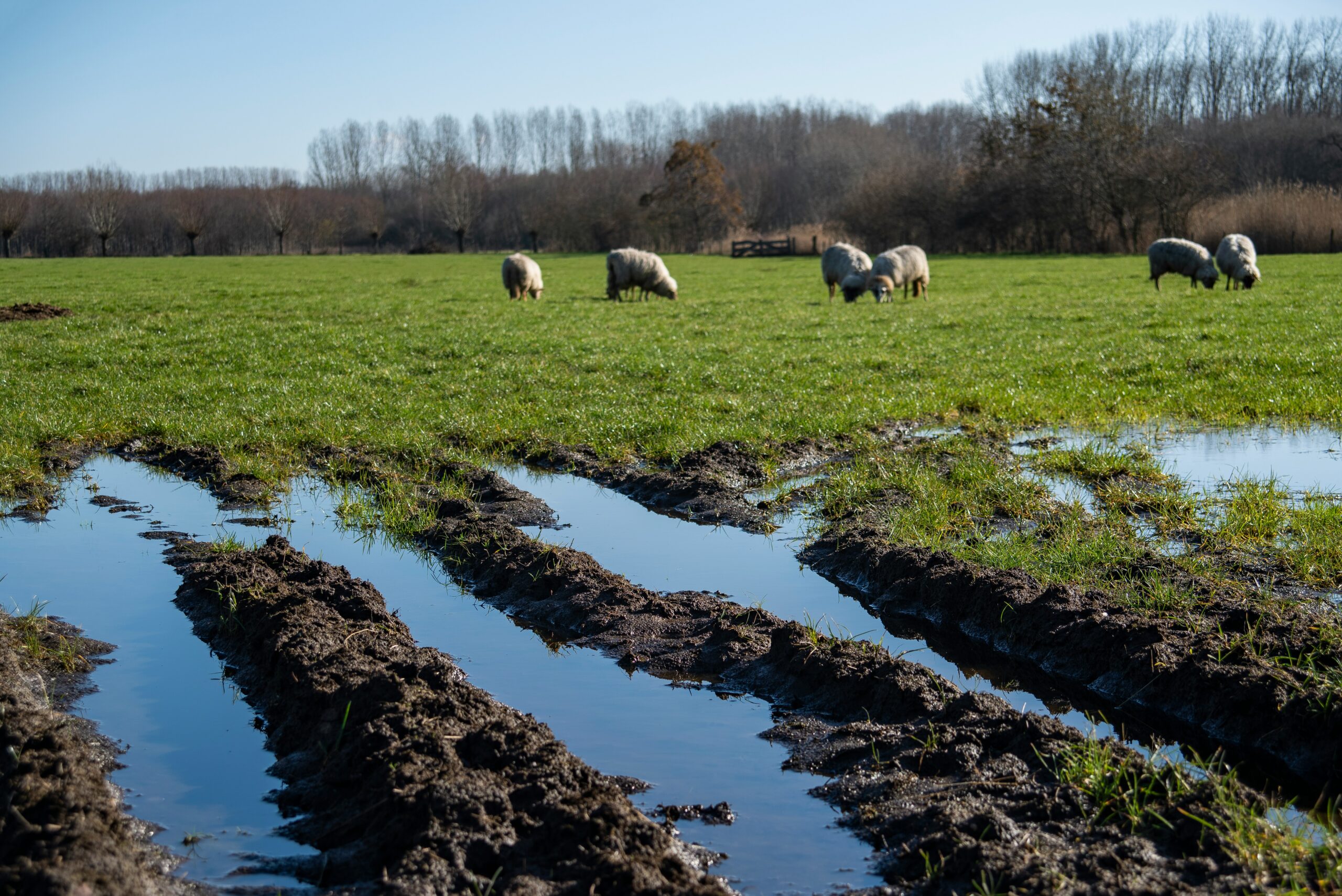
Water is the most critical input in agriculture, yet it is becoming increasingly scarce due to climate change, population growth, and inefficient irrigation practices. Sustainable water management in agriculture focuses on using water resources wisely to ensure long-term farm productivity while protecting the environment. By adopting modern techniques and efficient planning, farmers can reduce water waste, improve crop yields, and maintain soil health.
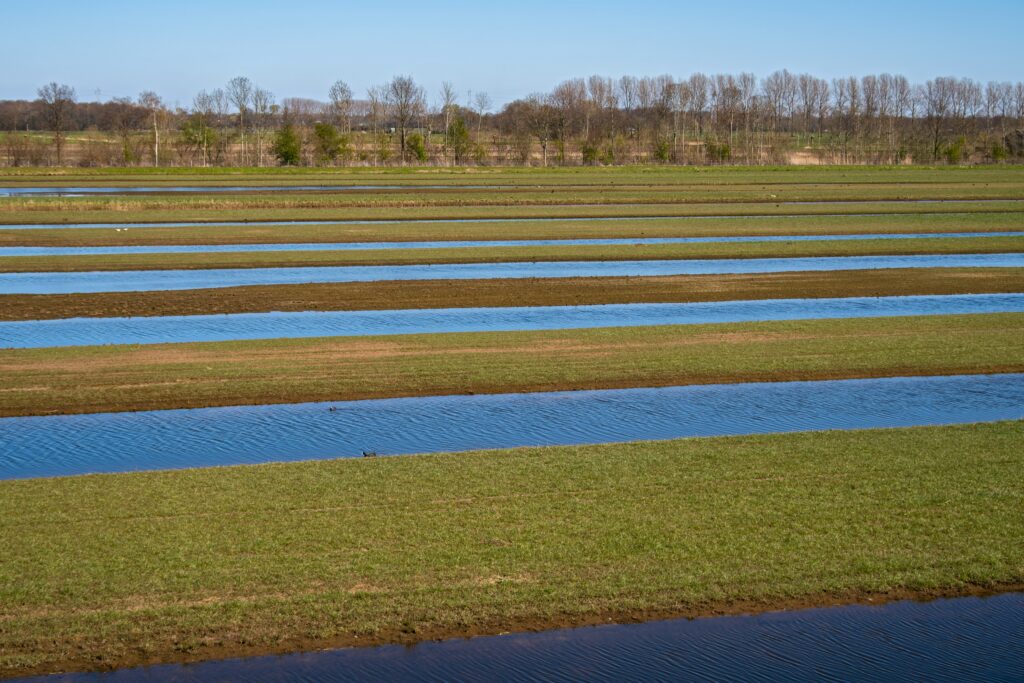
The first step toward sustainable water management is understanding crop water requirements. Different crops require different amounts of water at various growth stages. Over-irrigation not only wastes water but also leaches nutrients from the soil and weakens plant roots. Under-irrigation, on the other hand, stresses crops and reduces yield. Proper irrigation scheduling based on crop type, soil condition, and climate ensures optimal water use.
Efficient irrigation systems play a vital role in conserving water. Drip irrigation delivers water directly to the root zone, minimizing evaporation and runoff. Sprinkler systems provide uniform water distribution and are suitable for a wide range of crops. These systems can reduce water consumption significantly compared to traditional flood irrigation while improving crop performance.
Rainwater harvesting is an effective method for improving water availability. Collecting and storing rainwater in farm ponds, tanks, or reservoirs allows farmers to use this water during dry periods. Rainwater harvesting also reduces soil erosion and improves groundwater recharge, making it a sustainable solution for water-stressed regions.
Soil management practices greatly influence water efficiency. Soils rich in organic matter retain moisture for longer periods and support better root development. Practices such as mulching, cover cropping, and reduced tillage reduce evaporation and improve water infiltration. Healthy soil acts as a natural water reservoir, helping crops survive drought conditions.
Crop selection and diversification also contribute to sustainable water use. Choosing drought-tolerant or low-water-requirement crops reduces pressure on limited water resources. Diversified cropping systems spread water demand throughout the year and reduce the risk of complete crop failure during water shortages.
Technology is increasingly supporting water-efficient agriculture. Soil moisture sensors, automated irrigation controllers, and weather-based advisory services help farmers apply water only when needed. These tools prevent over-irrigation and improve water-use efficiency while saving labor and energy.
In conclusion, sustainable water management is essential for the future of agriculture. By combining efficient irrigation systems, rainwater harvesting, soil health improvement, smart crop planning, and modern technology, farmers can maximize water productivity and protect their land for future generations. Responsible water use not only improves farm profitability but also ensures food security and environmental sustainability.
Join our WhatsApp Channel for daily irrigation tips, water-saving techniques, and modern agriculture updates: https://www.whatsapp.com/channel/0029VbBz1Ni5vKAHRbmLNy45