

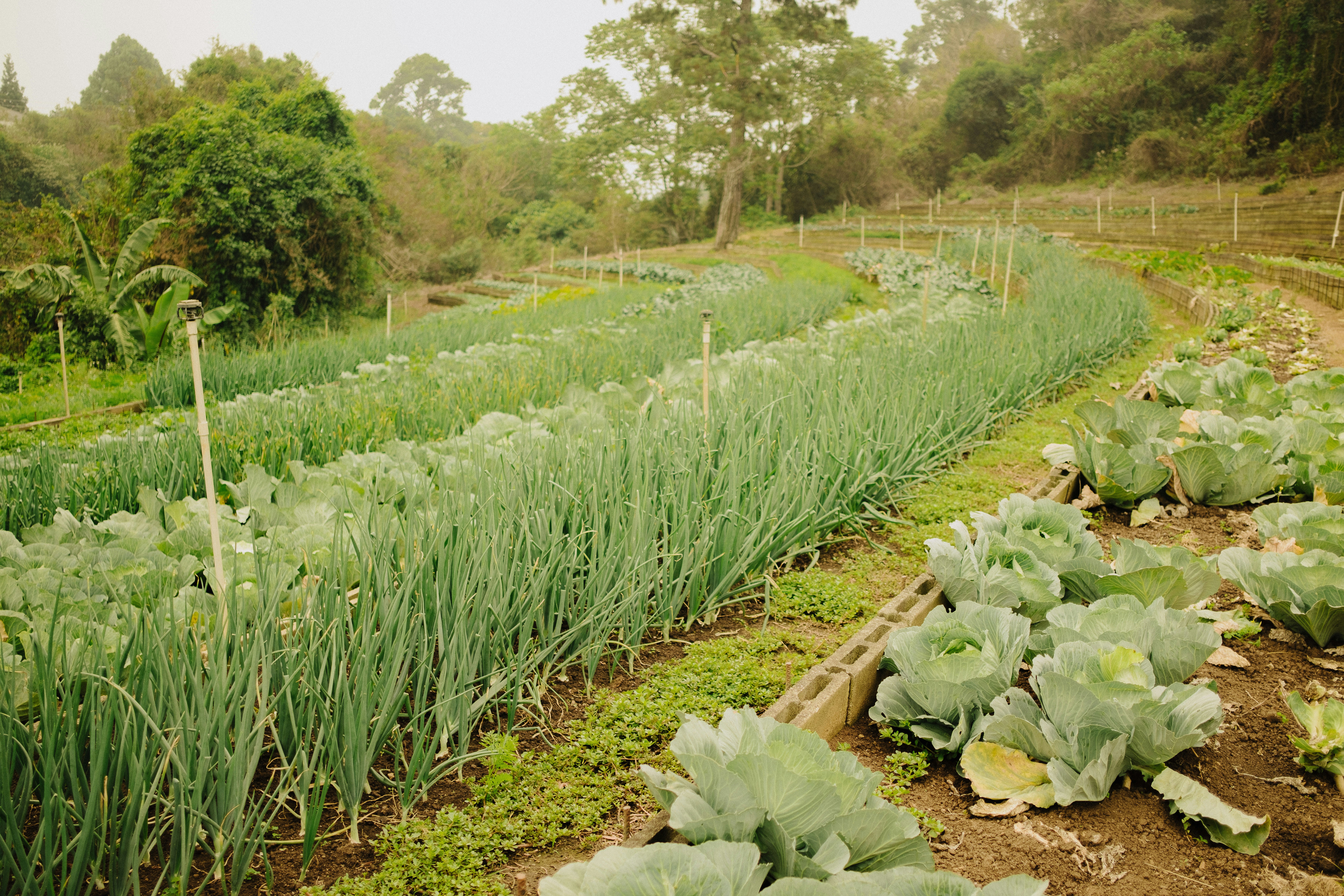
Organic farming is a holistic agricultural system that emphasizes natural processes, biodiversity, and soil health while avoiding synthetic fertilizers, pesticides, and genetically modified organisms. With growing consumer awareness about food safety and environmental protection, organic farming has gained significant importance as a sustainable and profitable alternative to conventional agriculture.
The foundation of organic farming lies in building and maintaining healthy soil. Organic matter is added through compost, farmyard manure, green manure, crop residues, and vermicompost. These inputs improve soil structure, increase water-holding capacity, and support beneficial microorganisms. Healthy soil enhances nutrient availability and strengthens plant resistance against pests and diseases.
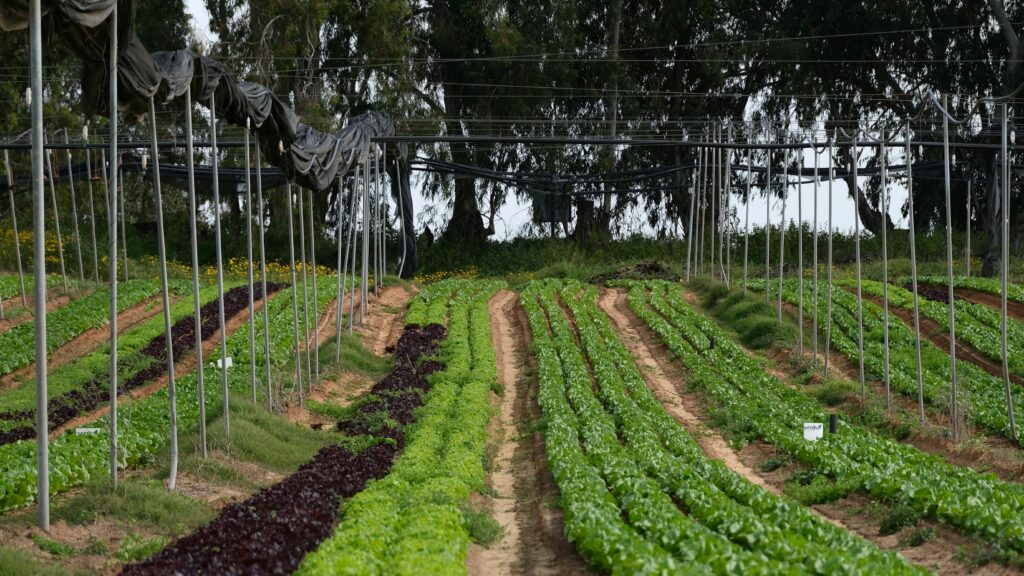
Crop rotation and diversification are essential practices in organic farming. Rotating crops helps break pest and disease cycles and improves soil fertility. Leguminous crops play a vital role by fixing atmospheric nitrogen and enriching the soil naturally. Intercropping systems further improve land use efficiency and reduce weed pressure.
Organic pest and disease management focuses on prevention rather than control. Healthy crops grown in balanced soil are naturally more resistant to pests. Biological control agents, neem-based products, botanical extracts, pheromone traps, and beneficial insects help manage pest populations without harming the environment. Mechanical and cultural practices such as timely weeding and field sanitation also reduce pest pressure.
Weed management in organic farming requires a combination of techniques. Mulching with organic materials suppresses weed growth while conserving soil moisture. Manual weeding, mechanical tools, and cover crops are commonly used to control weeds effectively. Over time, improved soil health and crop competition reduce weed problems.
Organic farming supports environmental sustainability by conserving biodiversity and reducing pollution. It protects soil from degradation, improves water quality, and reduces greenhouse gas emissions. Organic farms often support a wide range of beneficial organisms, including pollinators and soil microbes, contributing to ecological balance.
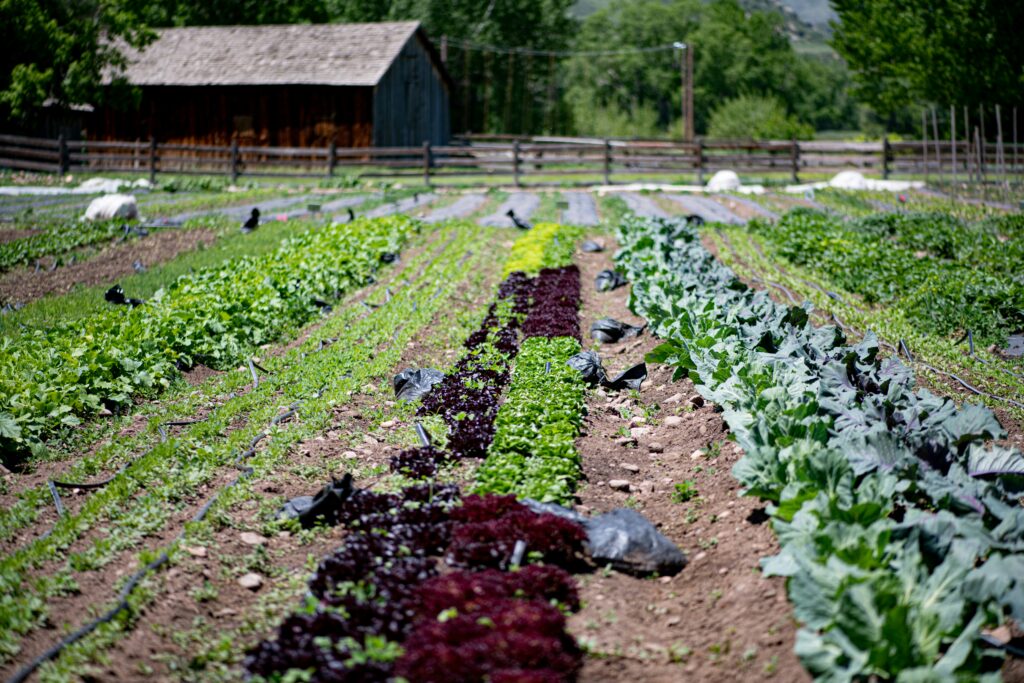
From an economic perspective, organic farming offers premium market prices and long-term profitability. Although initial yields may be lower during the transition period, production costs are reduced due to lower input dependence. Growing demand for organic products in local and international markets provides strong income opportunities for farmers.
In conclusion, organic farming is a sustainable approach that benefits farmers, consumers, and the environment. By focusing on soil health, biodiversity, and natural inputs, organic farming produces healthy food while preserving natural resources for future generations. With proper knowledge and management, it can be a viable and rewarding farming system.
Join our WhatsApp Channel for daily organic farming tips, natural solutions, and expert agriculture guidance: whatsapp.com/channel/0029VbBz1Ni5vKAHRbmLNy45