

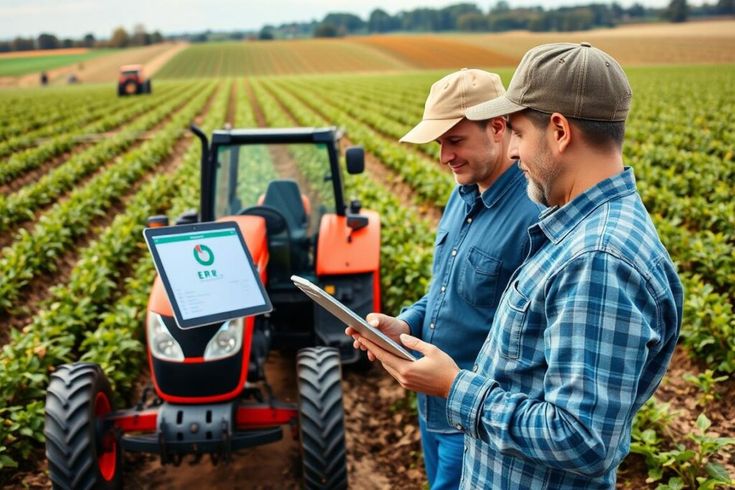
Precision agriculture is a modern farming approach that uses technology, data, and automation to manage crops and resources more efficiently. Instead of applying inputs uniformly across the field, precision agriculture focuses on site-specific management, ensuring that crops receive exactly what they need at the right time. This approach improves productivity, reduces costs, and supports environmental sustainability, making it a key solution for the future of agriculture.

The core concept of precision agriculture is data-driven decision-making. Farmers collect data on soil properties, moisture levels, crop health, and weather conditions using sensors, satellites, drones, and GPS-enabled equipment. This information helps identify variations within the field and allows farmers to manage those areas differently based on their specific needs. As a result, inputs such as water, fertilizers, and pesticides are used more efficiently.
One of the most important tools in precision agriculture is soil and crop monitoring technology. Soil moisture sensors help farmers determine the exact timing and amount of irrigation required, preventing both water stress and over-irrigation. Crop health monitoring through satellite imagery and drones detects nutrient deficiencies, pest infestations, and disease outbreaks at an early stage, allowing timely intervention and minimizing yield losses.
Variable rate technology is another major advancement in smart farming. This technology enables machinery to adjust seed, fertilizer, and pesticide application rates automatically while moving across the field. Areas with higher nutrient demand receive more inputs, while less demanding zones receive less. This targeted application reduces input waste, lowers production costs, and minimizes environmental impact.
Automation and robotics are also transforming agricultural operations. Automated tractors, robotic weeders, and smart sprayers reduce labor dependency and increase operational accuracy. These machines can work for longer hours with consistent performance, ensuring timely farm operations even in regions facing labor shortages. Automation also improves safety by reducing human exposure to chemicals and heavy machinery.
Precision agriculture supports climate-smart farming by improving resource efficiency and crop resilience. Efficient water and nutrient management reduce greenhouse gas emissions and protect natural resources. Early detection of stress allows farmers to respond quickly to extreme weather conditions, pests, and diseases, helping maintain stable yields under changing climate conditions.
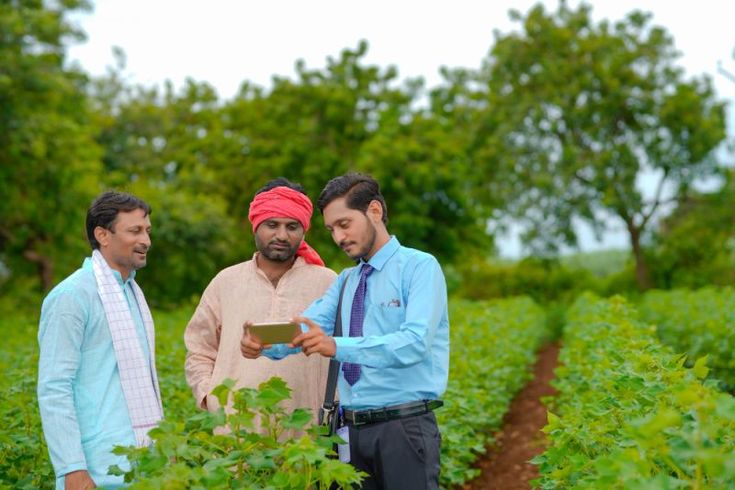
Digital platforms and mobile applications play a key role in making precision agriculture accessible to farmers. These tools provide real-time weather forecasts, crop advisory services, and market information. Integration of artificial intelligence and machine learning further enhances decision-making by predicting crop performance and recommending optimal management practices.
In conclusion, precision agriculture and smart farming technologies are reshaping modern agriculture. By combining data, automation, and advanced tools, farmers can increase productivity, reduce costs, and farm more sustainably. As technology becomes more affordable and accessible, precision agriculture will play a crucial role in ensuring food security and sustainable agricultural development.
Join our WhatsApp Channel for daily smart farming updates, precision agriculture tips, and expert guidance: https://www.whatsapp.com/channel/0029VbBz1Ni5vKAHRbmLNy45