

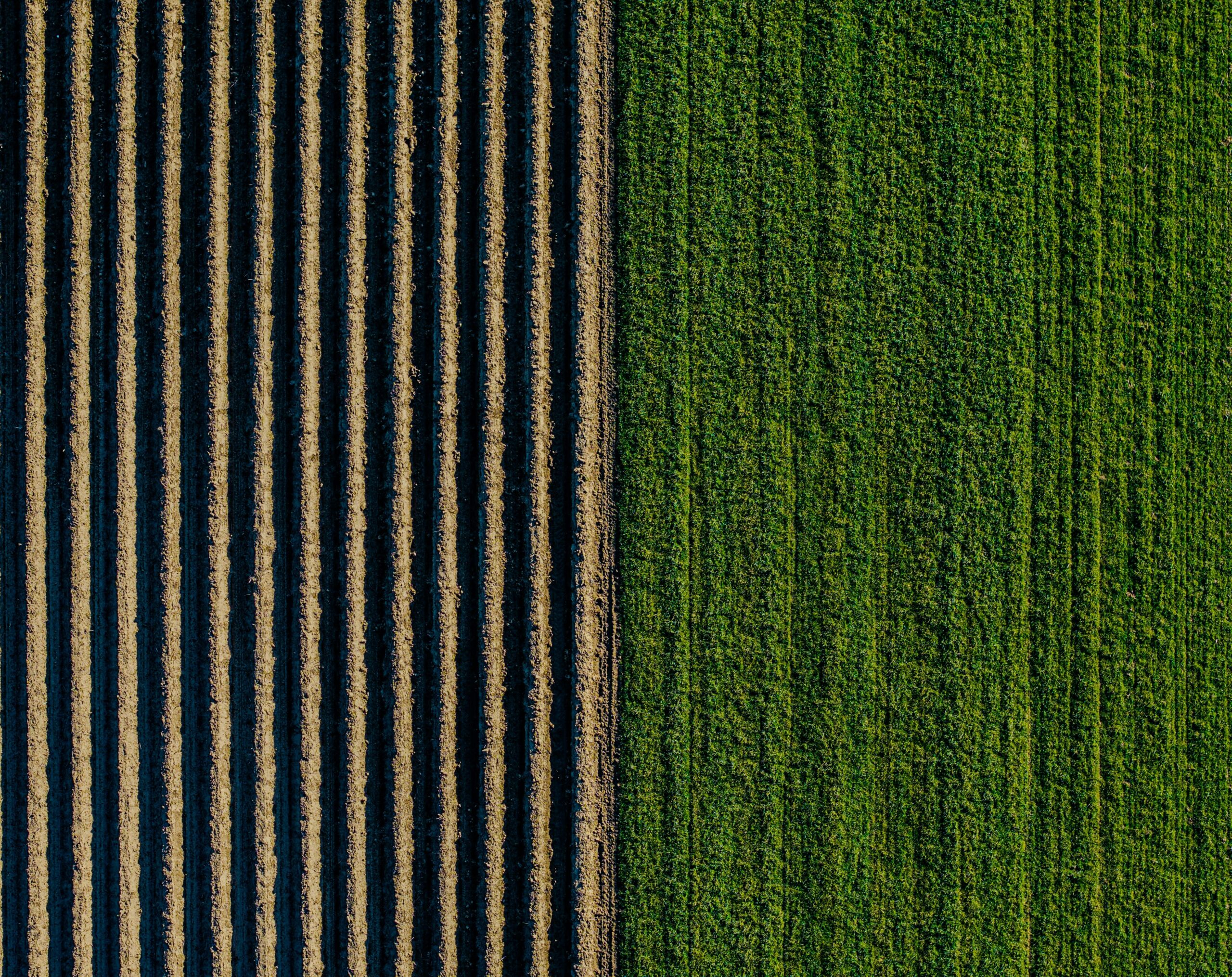
Precision farming is transforming traditional agriculture into a highly efficient, technology-driven system. Instead of treating an entire field as one unit, precision farming focuses on managing crops and soil based on real-time data and site-specific conditions. This approach helps farmers increase productivity, reduce costs, and protect natural resources while meeting the growing global demand for food.
At the core of precision farming is the idea of applying the right input at the right place, at the right time, and in the right quantity. Technologies such as GPS-enabled machinery, soil sensors, drones, and satellite imagery allow farmers to monitor crop health, soil moisture, nutrient levels, and pest pressure with great accuracy. This detailed information helps farmers make better decisions throughout the cropping season.
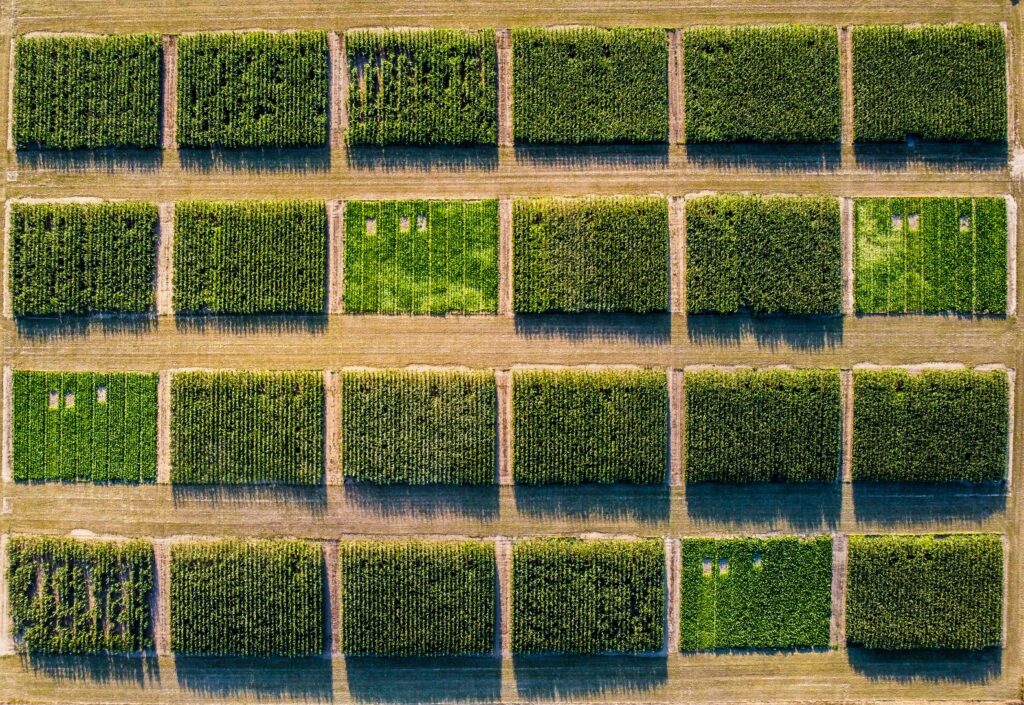
One of the major advantages of precision farming is improved resource efficiency. Fertilizers, pesticides, and water are often overused in conventional farming, leading to higher costs and environmental damage. With precision tools, farmers can apply inputs only where needed, reducing waste and preventing soil and water pollution. Variable rate technology enables machinery to automatically adjust input application based on field conditions, ensuring uniform crop growth.
Precision farming also plays a key role in early problem detection. Drones and remote sensing technologies can identify crop stress, disease outbreaks, or nutrient deficiencies at an early stage, often before they are visible to the human eye. Early intervention minimizes yield losses and reduces the need for heavy chemical treatments. Over time, this improves crop quality and farm profitability.
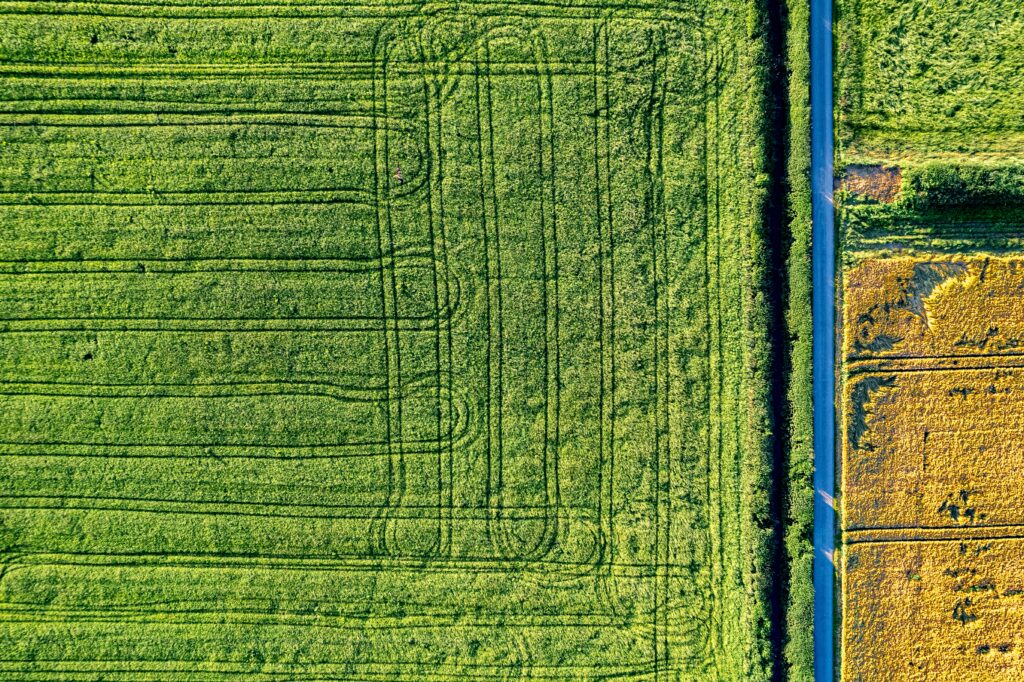
From an economic perspective, precision farming offers long-term benefits. Although the initial investment in technology can be high, the reduction in input costs and increase in yields often result in better returns. As technology becomes more affordable and accessible, even small and medium-scale farmers are beginning to adopt precision practices.
In conclusion, precision farming represents the future of agriculture. By combining traditional farming knowledge with modern technology, farmers can achieve higher productivity, better resource management, and sustainable growth. Precision farming not only benefits farmers but also contributes to environmental protection and global food security.
Join our WhatsApp Channel for daily smart farming updates and expert agriculture guidance: https://whatsapp.com/channel/0029VbBz1Ni5vKAHRbmLNy45