

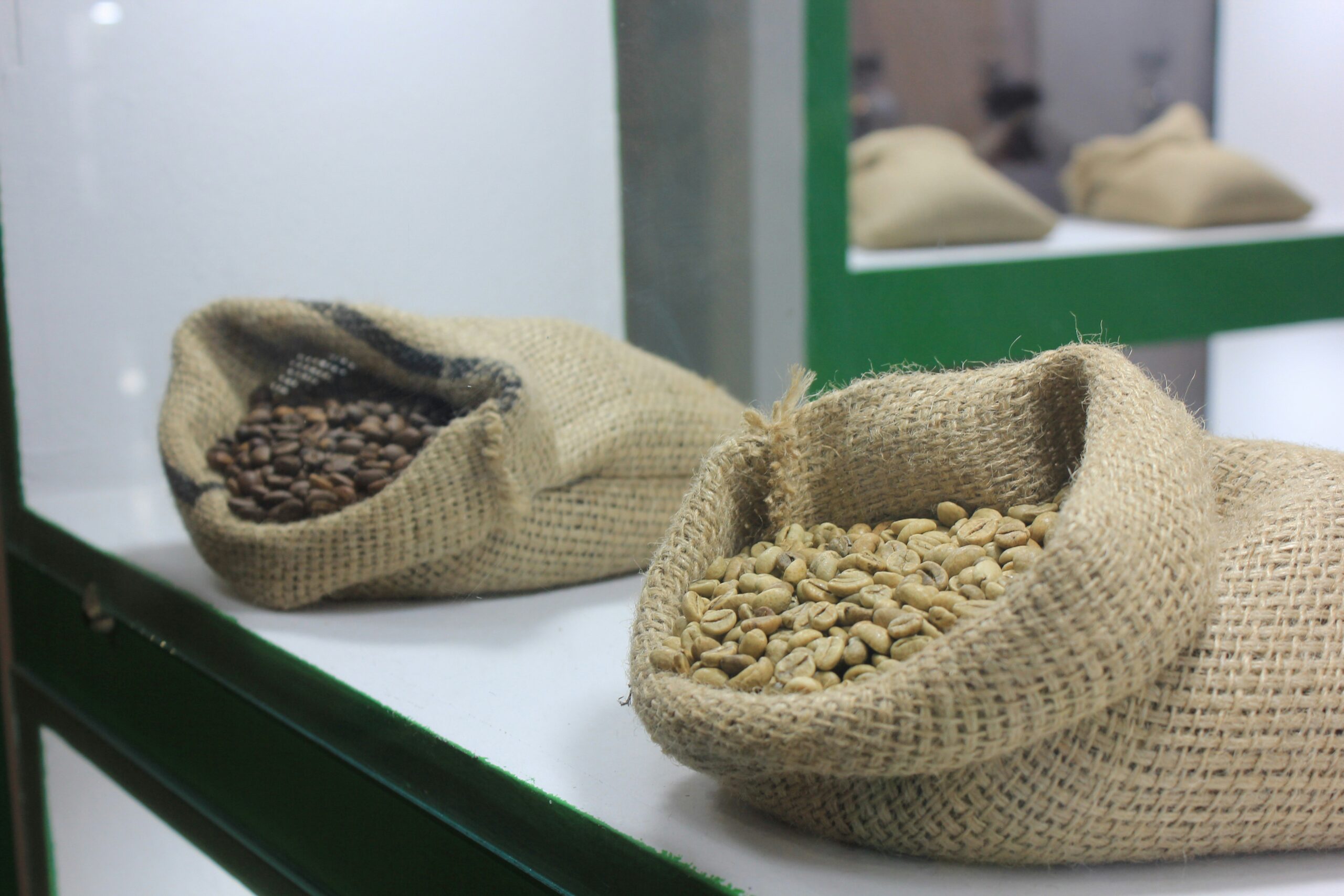
Seed production is a specialized and highly important branch of agriculture that directly influences crop productivity and food security. High-quality seeds ensure better germination, uniform crop growth, and improved resistance to pests and diseases. Sustainable seed production systems focus on producing genetically pure, healthy, and viable seeds while maintaining soil health and environmental balance. For farmers, seed production also offers higher income compared to grain production when managed properly.
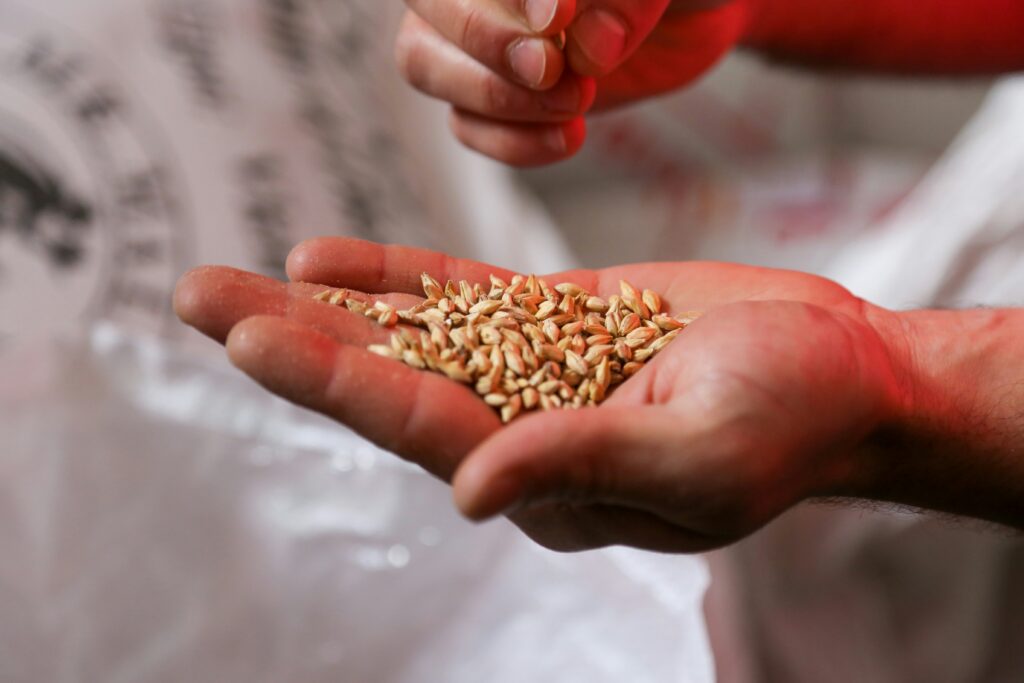
The first step in successful seed production is selecting suitable land and crop variety. Fields used for seed production should have good soil fertility, proper drainage, and a known cropping history to avoid contamination from volunteer plants. Choosing certified and recommended varieties ensures genetic purity and high demand in the market. Proper isolation distance from other varieties of the same crop is essential to prevent cross-pollination.
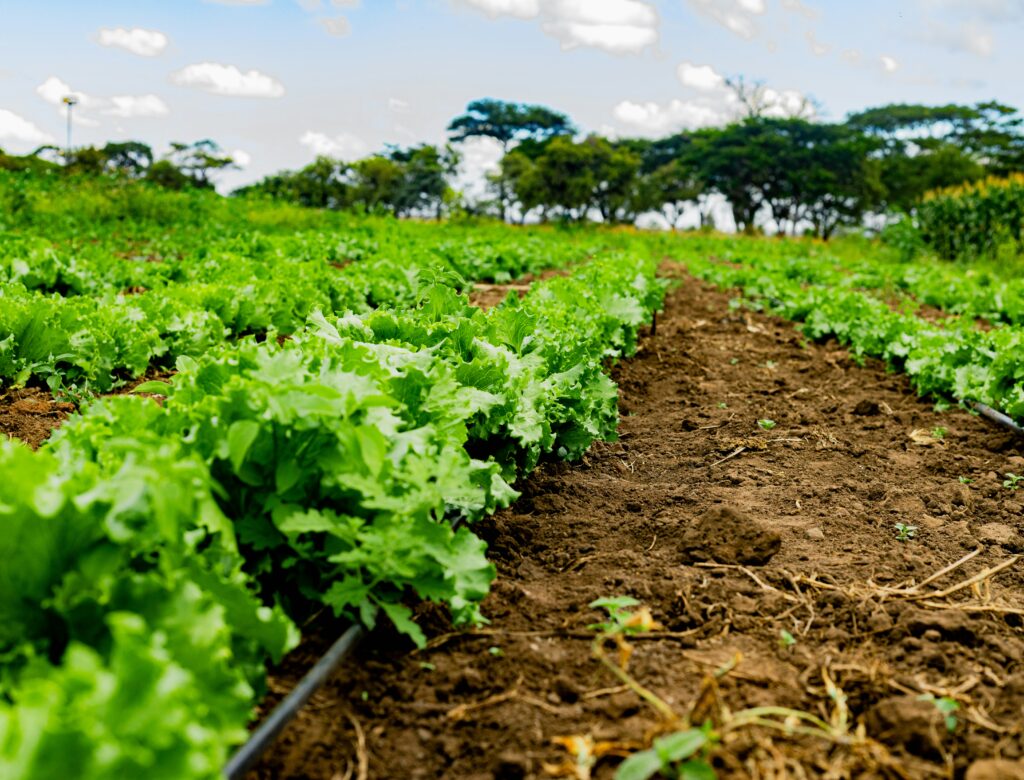
Crop management in seed production requires greater precision than grain production. Timely sowing, recommended spacing, and balanced nutrient application support uniform plant growth and flowering. Excessive nitrogen should be avoided, as it can lead to excessive vegetative growth and poor seed quality. Irrigation should be managed carefully to support flowering and seed filling stages.
Roguing is a critical practice in seed production. Off-type plants, diseased plants, and weak plants must be removed from the field at different growth stages. This practice maintains genetic purity and improves overall seed quality. Regular field inspections help identify problems early and ensure compliance with seed certification standards.
Pest and disease management in seed crops must be timely and effective. Seed-borne diseases can significantly reduce seed quality and market value. Integrated pest management practices help control pests while minimizing chemical residues on seeds. Healthy plants produce stronger seeds with higher germination potential.
Harvesting and post-harvest handling play a major role in seed quality. Seeds should be harvested at physiological maturity to ensure maximum viability. Mechanical damage during harvesting must be minimized. Proper drying to safe moisture levels is essential to prevent fungal growth and storage losses. Cleaning, grading, and treatment further improve seed quality and shelf life.
Storage is the final and crucial stage of seed production. Seeds must be stored in cool, dry, and pest-free conditions to maintain germination capacity. Using moisture-proof containers and regular monitoring helps preserve seed quality until the next planting season.
In conclusion, sustainable seed production systems ensure the availability of high-quality seeds while providing farmers with higher income opportunities. By following proper field selection, crop management, roguing, pest control, and post-harvest practices, farmers can produce reliable seeds that support productive and sustainable agriculture.
Join our WhatsApp Channel for daily seed production tips, crop quality guidance, and expert agriculture advice: https://www.whatsapp.com/channel/0029VbBz1Ni5vKAHRbmLNy45