

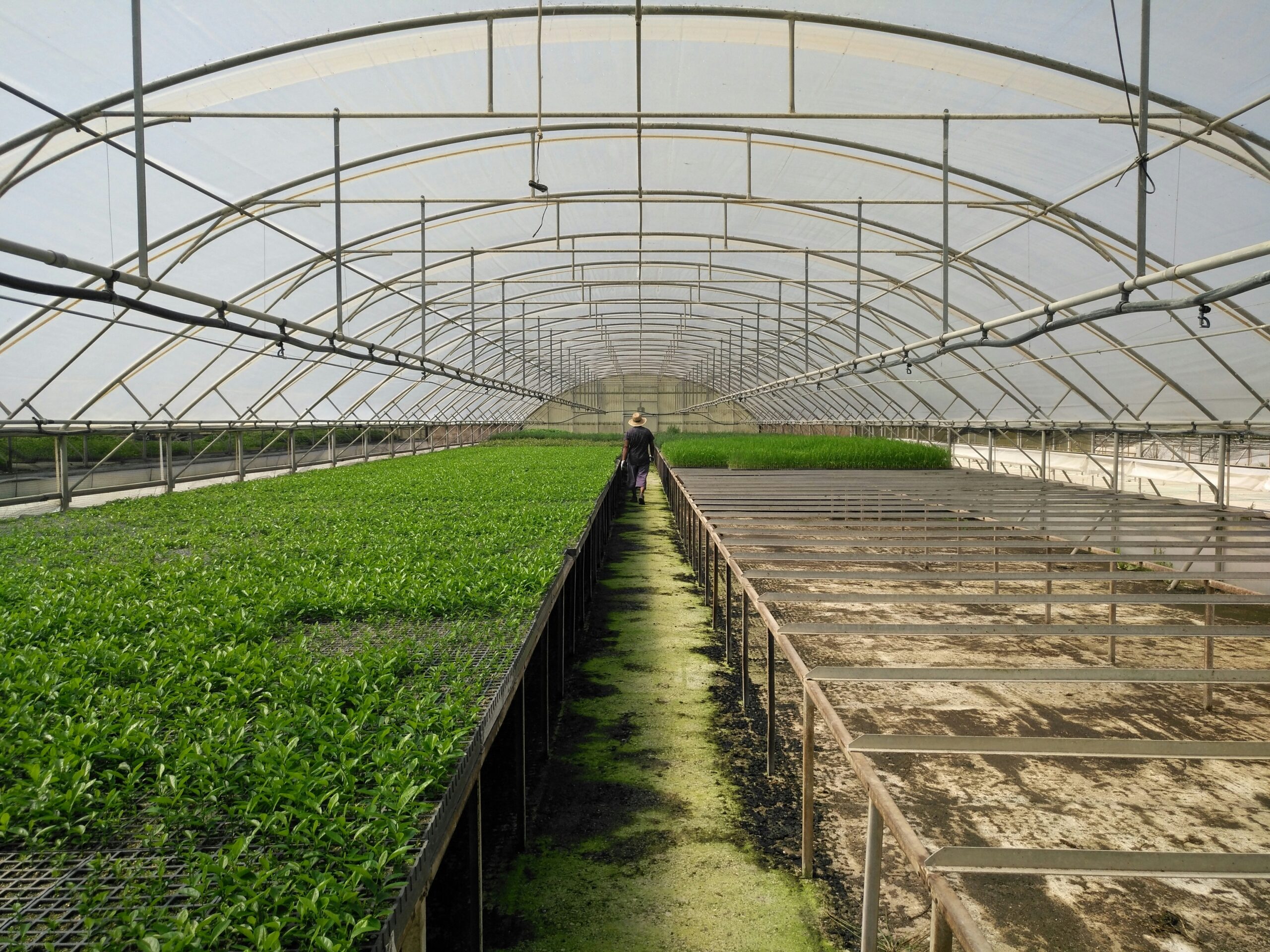
Greenhouse farming is becoming increasingly popular as farmers seek ways to produce high-quality crops throughout the year while reducing climate-related risks. By creating a controlled growing environment, greenhouse farming allows better management of temperature, humidity, light, and water. Sustainable greenhouse practices focus on maximizing productivity while minimizing energy use, input costs, and environmental impact.
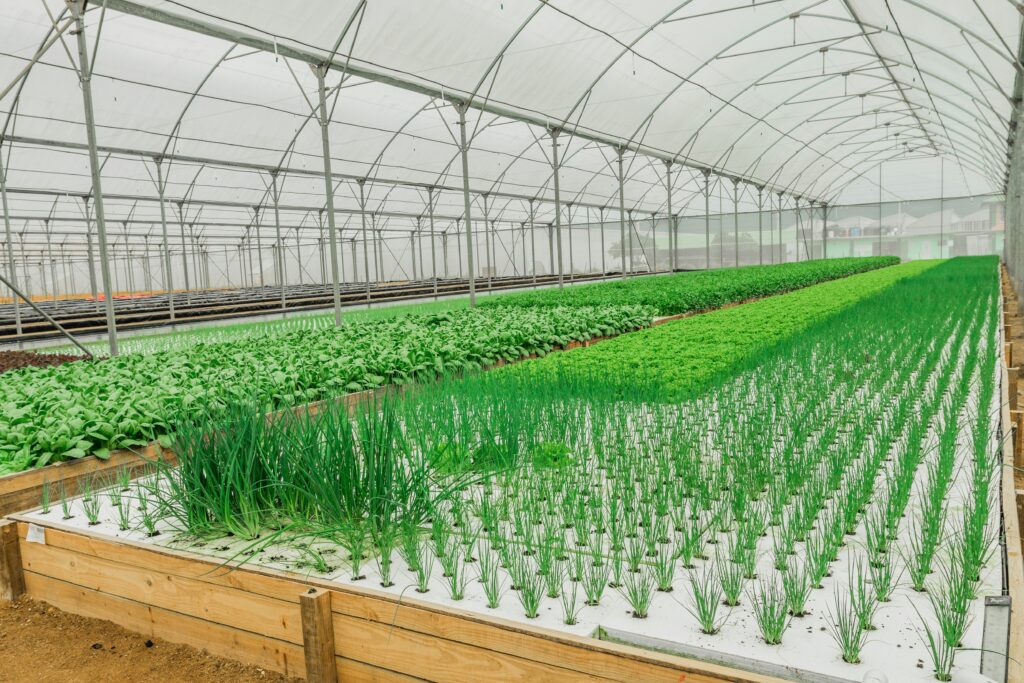
Site selection and greenhouse design are the first steps toward successful greenhouse farming. The structure should receive adequate sunlight and be protected from strong winds. Proper orientation improves light distribution and reduces energy requirements. Using durable materials and efficient ventilation systems helps maintain stable internal conditions and lowers maintenance costs.
Climate control is a key advantage of greenhouse farming. Managing temperature and humidity creates optimal conditions for plant growth and reduces stress. Natural ventilation, shade nets, and thermal screens help regulate the environment without excessive energy use. In colder regions, energy-efficient heating methods support sustainable production.
Soil and growing media management directly affect crop performance. Many greenhouse systems use raised beds, coco peat, or other soilless media to improve root development and disease control. Regular monitoring of nutrient levels and pH ensures balanced nutrition. Organic amendments and biofertilizers support microbial activity and plant health.
Water-use efficiency is a major benefit of greenhouse farming. Drip irrigation and fertigation systems deliver water and nutrients precisely to the root zone, reducing wastage and improving uptake. Recycling and reusing excess irrigation water further enhance sustainability and reduce costs.
Pest and disease management in greenhouses requires an integrated approach. Controlled environments limit pest entry, but close monitoring is essential. Biological control agents, sticky traps, and cultural practices reduce reliance on chemical pesticides. Maintaining hygiene and removing infected plants prevent disease spread.

Crop selection and market planning influence greenhouse profitability. High-value crops such as vegetables, flowers, and herbs perform well under protected cultivation. Staggered planting ensures continuous harvest and steady income. Quality produce from greenhouses often receives premium prices in the market.
In conclusion, sustainable greenhouse farming enables year-round production, higher yields, and improved crop quality. By adopting efficient climate control, water management, integrated pest control, and smart crop planning, farmers can build profitable and environmentally responsible greenhouse systems.
Join our WhatsApp Channel for daily greenhouse farming tips, protected cultivation guidance, and expert agriculture advice: https://www.whatsapp.com/channel/0029VbBz1Ni5vKAHRbmLNy45