

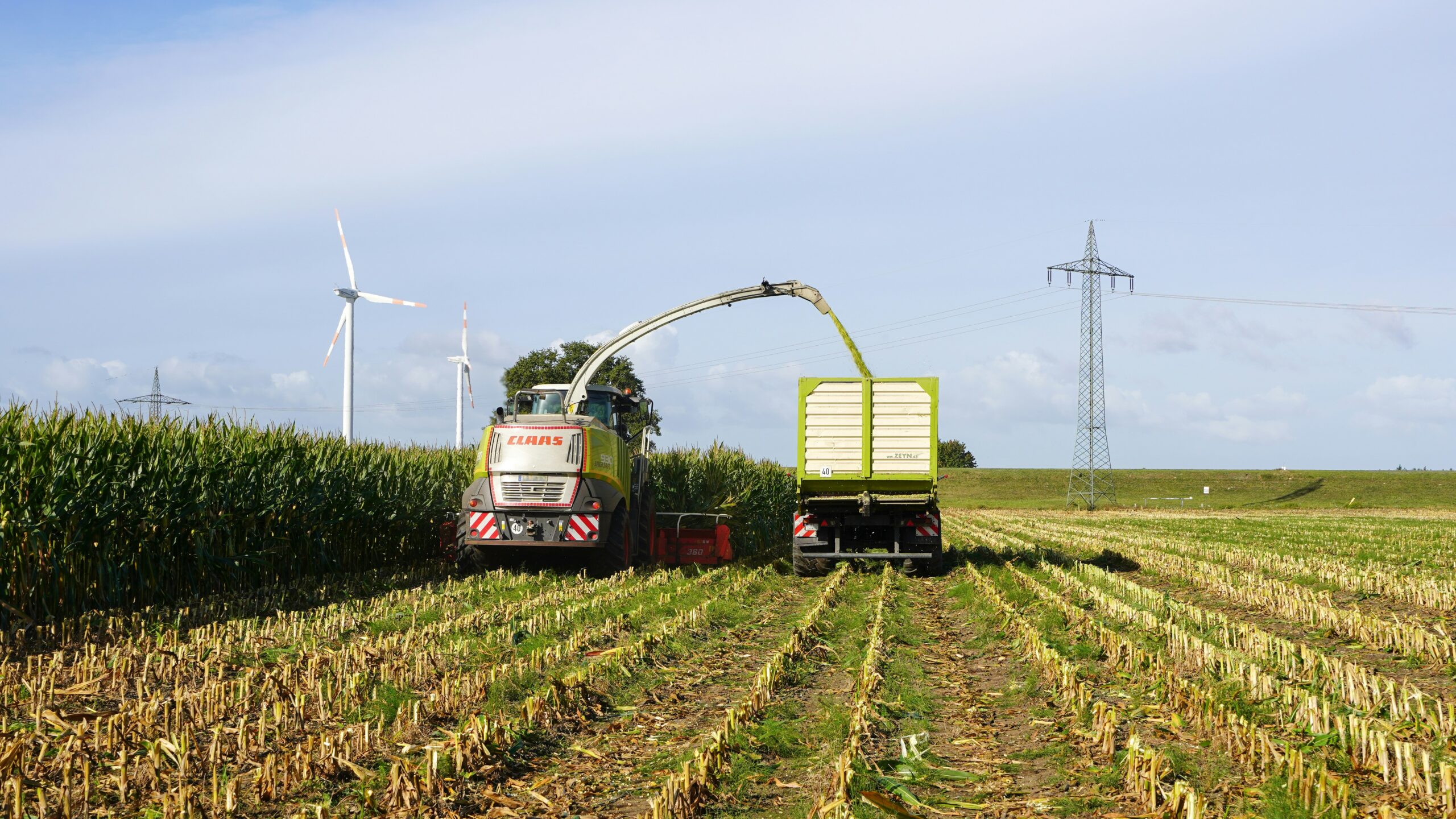
Farm mechanization plays a vital role in modern agriculture by increasing efficiency, timeliness, and productivity. As labor shortages and production costs rise, sustainable farm mechanization helps farmers perform operations accurately while conserving resources and protecting soil health. Choosing the right machines and using them responsibly leads to higher yields, lower costs, and long-term farm sustainability.
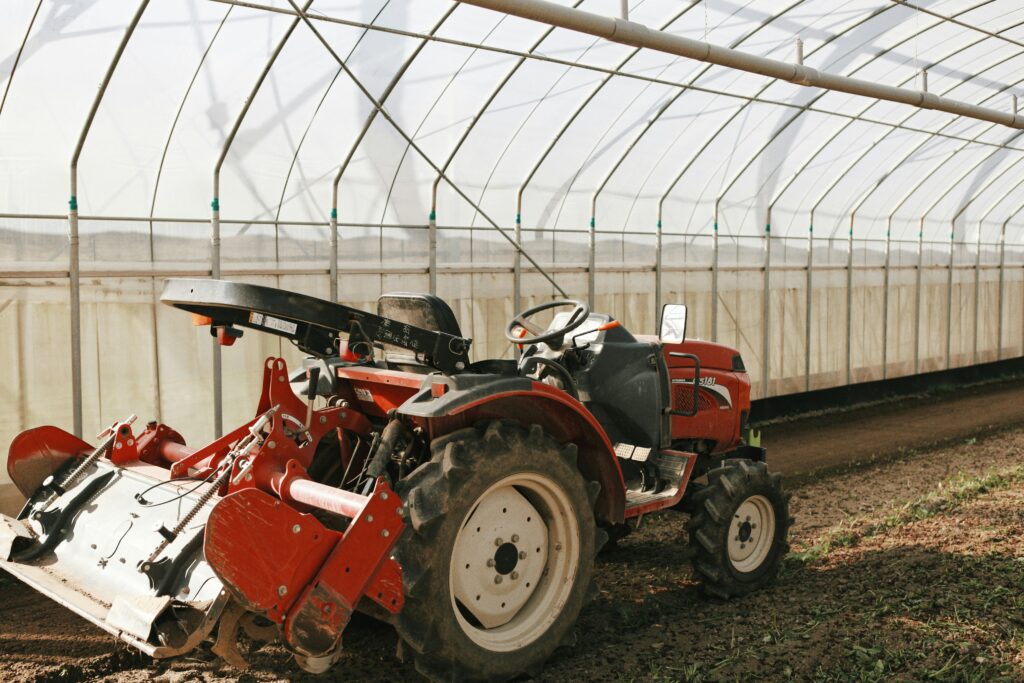
Land preparation is one of the primary areas where mechanization makes a significant impact. Tractors, plows, harrows, and seedbed preparation tools reduce the time and effort required for field operations. Proper use of machinery ensures uniform soil preparation, better seed placement, and improved crop establishment. Conservation tillage equipment further supports soil health by minimizing disturbance and reducing erosion.
Sowing and planting operations benefit greatly from mechanization. Seed drills and planters ensure accurate seed depth and spacing, which improves germination and plant population. Precision planting reduces seed wastage and leads to uniform crop growth. Timely planting using machinery helps farmers take advantage of optimal weather conditions.
Crop management operations such as fertilization, irrigation, and plant protection become more efficient with mechanization. Fertilizer spreaders and sprayers allow uniform application, reducing input losses and improving crop response. Mechanized irrigation systems improve water-use efficiency and reduce labor dependency. Proper calibration of equipment ensures effective input use and environmental safety.
Harvesting is one of the most labor-intensive farm operations, and mechanization significantly reduces losses and costs. Harvesters and threshers enable timely harvesting, which preserves grain quality and reduces post-harvest losses. Mechanized harvesting is especially important during peak seasons when labor availability is limited.
Post-harvest handling and processing also benefit from mechanization. Cleaning, grading, drying, and storage equipment improve product quality and market value. Mechanized post-harvest systems reduce spoilage and extend shelf life, increasing farmer income.
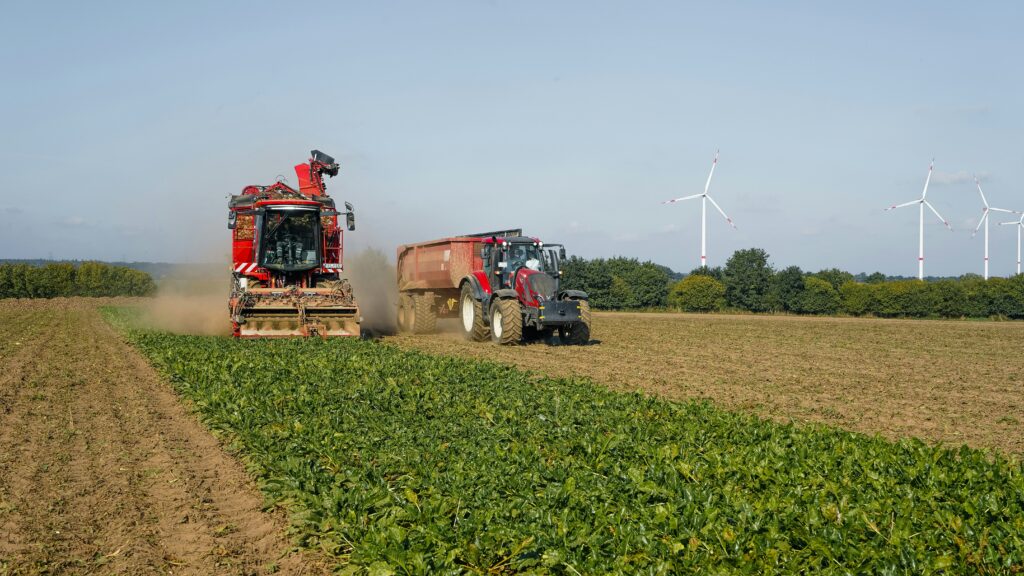
Sustainable mechanization emphasizes proper machine selection, maintenance, and operator training. Using machines suited to farm size and soil conditions prevents compaction and excessive fuel use. Regular maintenance improves efficiency and extends machine life, reducing long-term costs.
In conclusion, sustainable farm mechanization enhances agricultural productivity while reducing labor costs and resource wastage. By adopting appropriate machinery and responsible practices, farmers can improve efficiency, protect soil health, and achieve profitable and sustainable farming systems.
Join our WhatsApp Channel for daily farm machinery tips, mechanization updates, and expert agriculture advice: https://www.whatsapp.com/channel/0029VbBz1Ni5vKAHRbmLNy45