
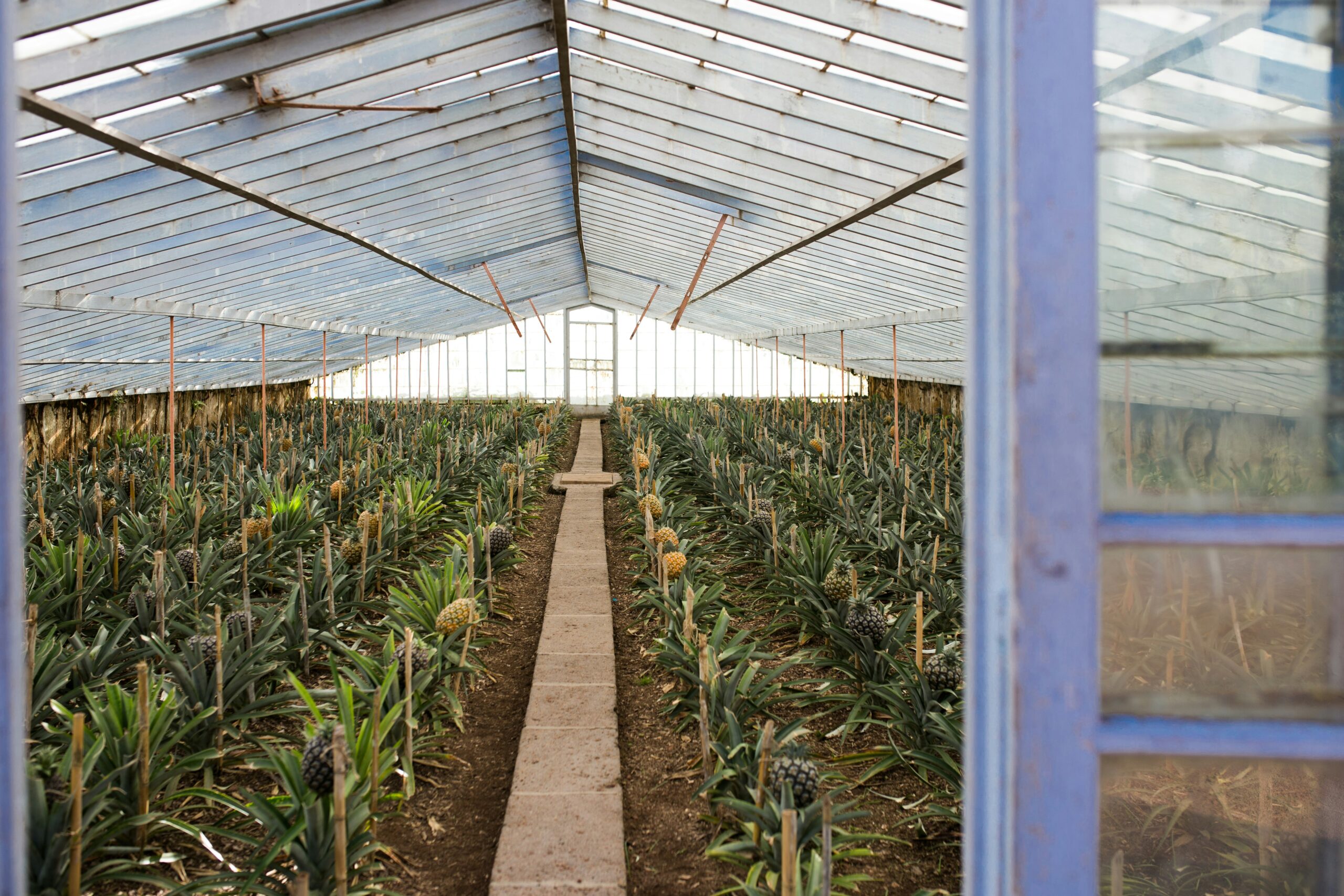
Vertical farming is an innovative agricultural system designed to grow crops in stacked layers or vertically arranged structures. This method is gaining popularity due to rapid urbanization, shrinking farmland, and increasing demand for fresh produce. Sustainable vertical farming focuses on maximizing yield per unit area while conserving water, energy, and other resources. It offers a practical solution for food production in urban and peri-urban areas.
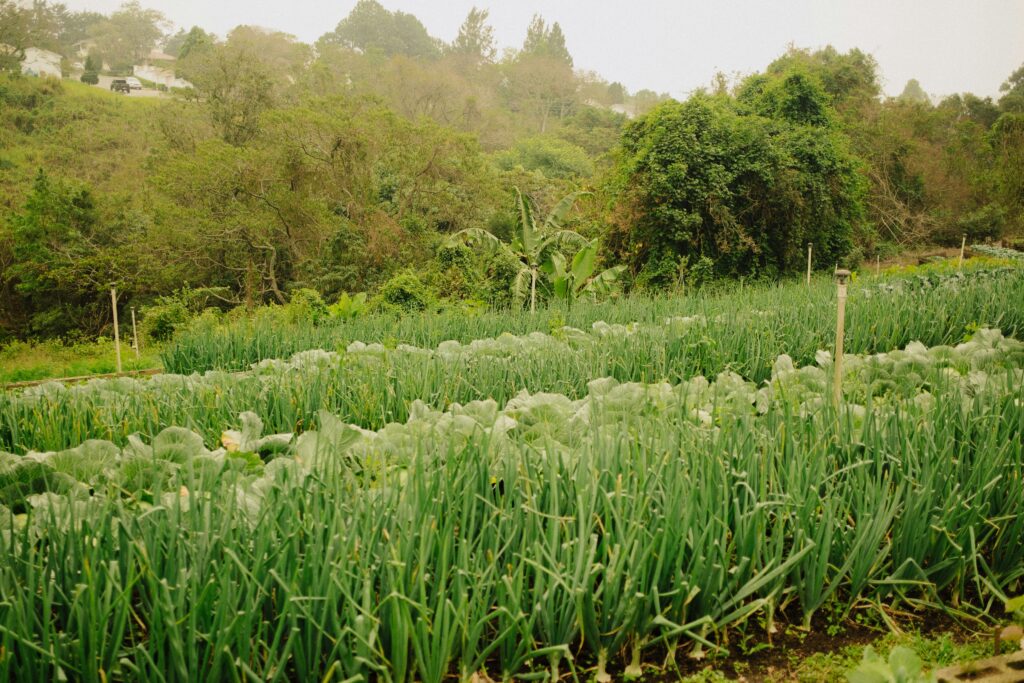
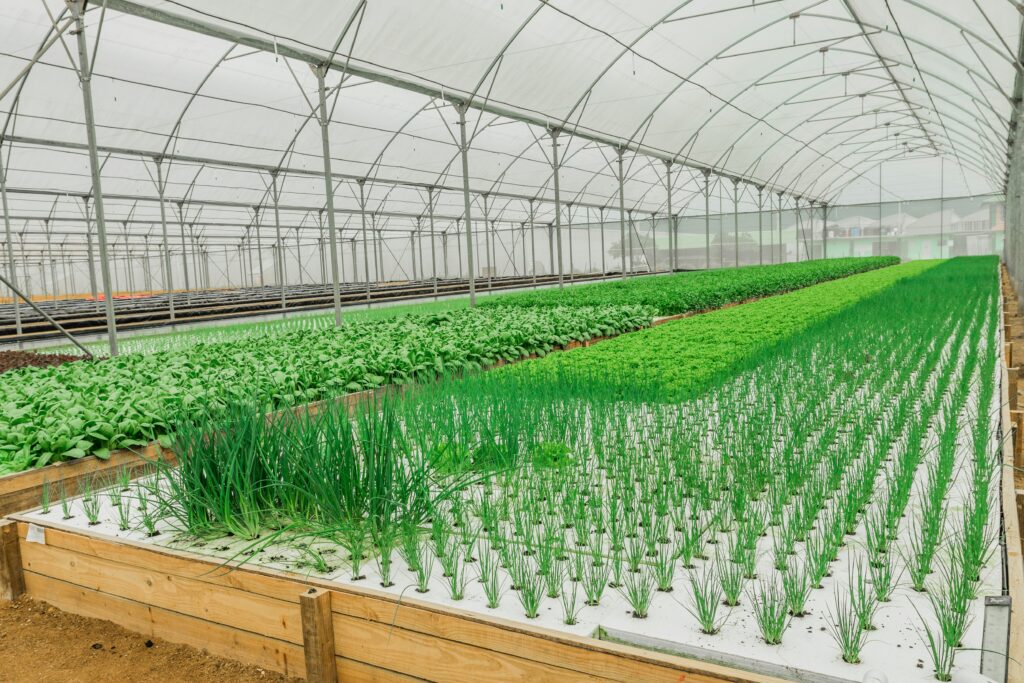
The basic concept of vertical farming is efficient space utilization. Crops are grown in multiple layers using shelves, towers, or racks, often inside controlled environments. This allows farmers to produce more food in a smaller footprint compared to traditional farming. Vertical systems are especially suitable for leafy vegetables, herbs, and microgreens that have short growth cycles and high market demand.
Controlled environment agriculture is a key advantage of vertical farming. Temperature, humidity, light, and nutrient supply are carefully managed to create ideal growing conditions. Artificial lighting, such as LED systems, provides the required light spectrum for photosynthesis while consuming less energy. Controlled conditions reduce crop stress and result in uniform growth and high-quality produce.
Water-use efficiency is one of the strongest benefits of vertical farming. Most systems use hydroponics or aeroponics, where plants receive nutrients through water or mist. These systems use significantly less water than soil-based farming and allow precise nutrient delivery. Recycling and reuse of water further enhance sustainability.
Vertical farming reduces the need for chemical pesticides and herbicides. Indoor environments limit pest entry, and clean growing systems reduce disease incidence. As a result, crops are often produced with minimal chemical inputs, making them safer and healthier for consumers.
Energy management is an important factor in sustainable vertical farming. While artificial lighting and climate control require energy, using energy-efficient technologies and renewable energy sources can reduce the environmental footprint. Proper system design and automation help optimize energy use and lower operational costs.
Vertical farming also shortens supply chains. Producing food closer to consumers reduces transportation costs, post-harvest losses, and carbon emissions. Fresh produce reaches markets faster, maintaining better quality and nutritional value.
In conclusion, sustainable vertical farming offers a modern solution to food production challenges in limited spaces. By combining efficient space use, controlled environments, water-saving technologies, and smart energy management, vertical farming can deliver high yields and high-quality produce. This system supports urban food security and represents a promising future for sustainable agriculture.
Join our WhatsApp Channel for daily vertical farming tips, modern agriculture updates, and expert guidance: https://www.whatsapp.com/channel/0029VbBz1Ni5vKAHRbmLNy45