

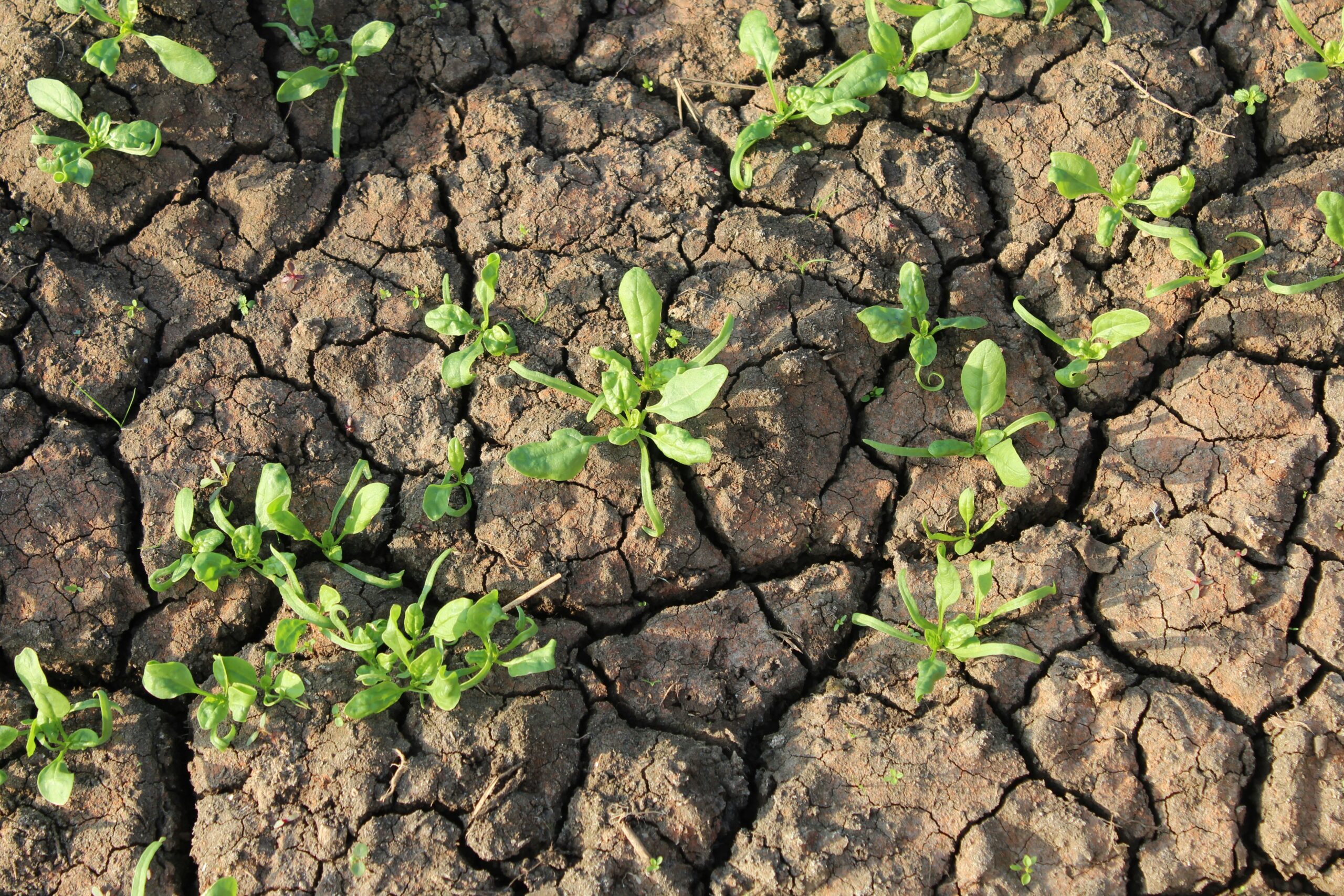
Soil carbon sequestration is emerging as an important strategy for improving agricultural sustainability while addressing climate change. Agricultural soils have the ability to capture and store carbon from the atmosphere in the form of organic matter. Sustainable soil carbon sequestration practices improve soil health, enhance crop productivity, and contribute to climate resilience by reducing greenhouse gas concentrations.
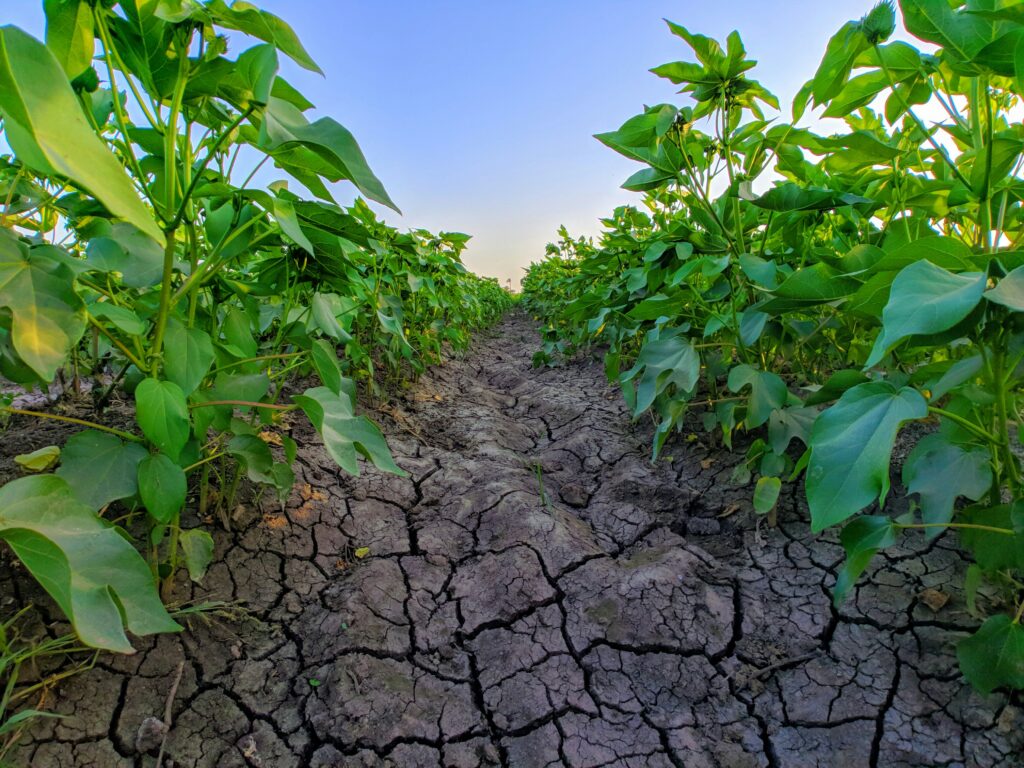
The process of soil carbon sequestration begins with increasing organic matter inputs to the soil. Crop residues, farmyard manure, compost, and green manure add carbon-rich material that becomes part of the soil organic carbon pool. Higher organic matter improves soil structure, nutrient availability, and water-holding capacity, creating better conditions for crop growth.
Reduced tillage and conservation agriculture play a major role in protecting soil carbon. Frequent and deep tillage exposes organic matter to air, leading to faster carbon loss. Minimum tillage and no-till systems reduce soil disturbance, allowing carbon to remain stored in the soil for longer periods. These practices also reduce erosion and improve soil stability.
Cover cropping is an effective practice for increasing soil carbon levels. Cover crops add biomass to the soil and protect it from erosion between main crop cycles. Their roots support microbial activity and contribute to carbon storage below ground. Diverse cover crop mixtures enhance soil biology and nutrient cycling.
Agroforestry and perennial cropping systems significantly increase carbon sequestration. Trees and perennial plants store carbon in their biomass and root systems while adding organic matter to the soil through leaf litter. Integrating trees with crops improves microclimate, biodiversity, and long-term soil health.
Balanced nutrient management supports efficient carbon sequestration. Adequate nutrient availability promotes plant growth, leading to more biomass production and carbon input. Organic and integrated nutrient management practices improve microbial activity, which stabilizes carbon in the soil.
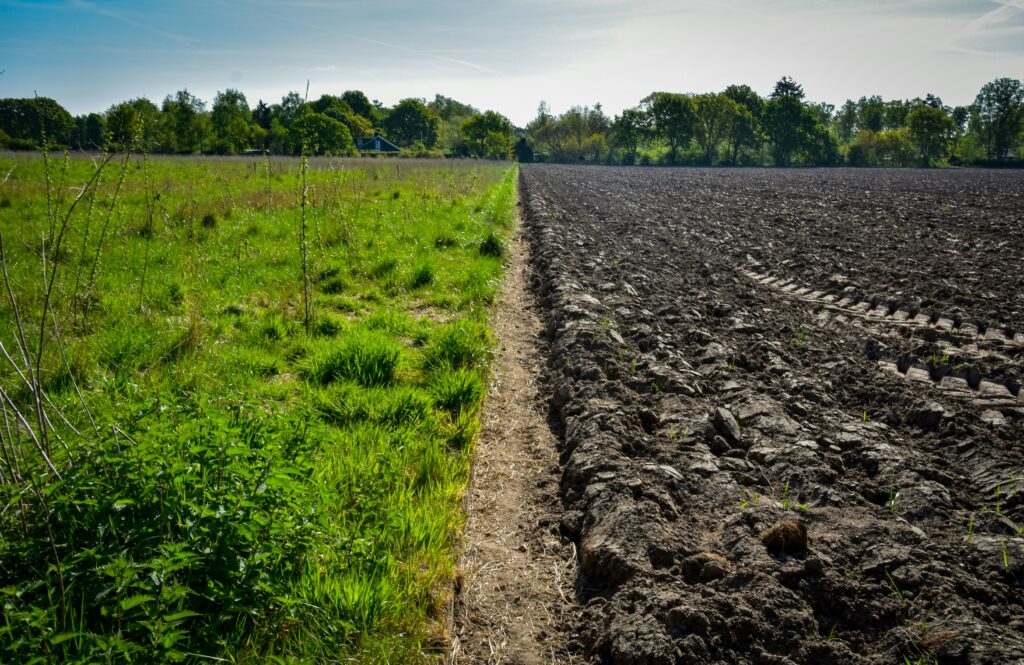
Soil carbon sequestration also offers economic benefits to farmers. Improved soil fertility reduces fertilizer needs and increases yield stability. Emerging carbon credit markets may provide additional income opportunities for farmers who adopt carbon-friendly practices.
In conclusion, sustainable soil carbon sequestration strengthens soil health, improves farm productivity, and contributes to climate change mitigation. By increasing organic matter, reducing tillage, using cover crops, and integrating trees, farmers can build resilient agricultural systems that benefit both the environment and farm income.
Join our WhatsApp Channel for daily soil carbon tips, climate-smart farming guidance, and expert agriculture advice: https://www.whatsapp.com/channel/0029VbBz1Ni5vKAHRbmLNy45