

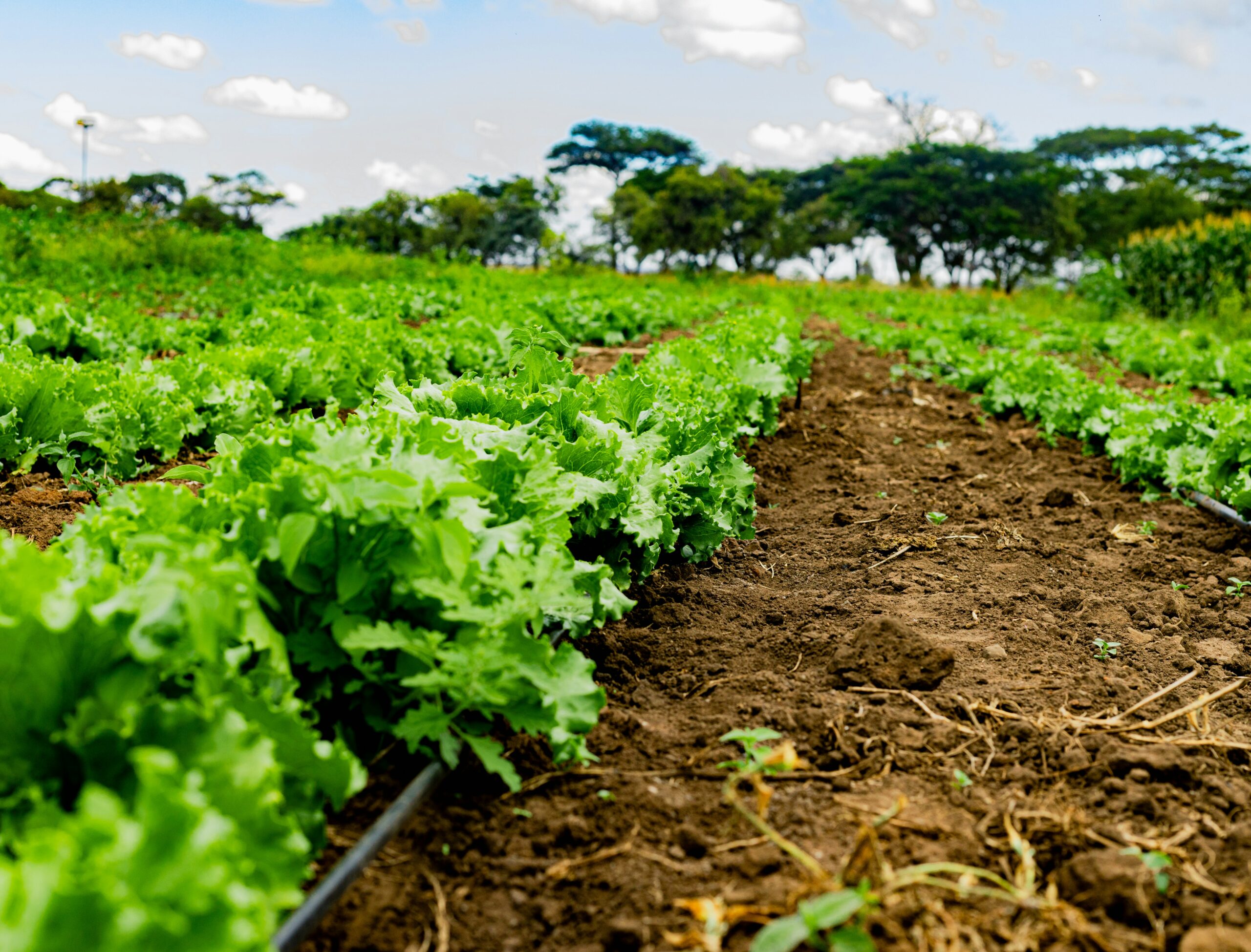
Soil salinity is a growing problem in many agricultural regions, especially in irrigated and arid areas. Excess salts in the soil limit water and nutrient uptake by plants, leading to poor growth, reduced yields, and long-term land degradation. Sustainable soil salinity management focuses on preventing salt buildup, reclaiming affected soils, and maintaining productive farmland over time.
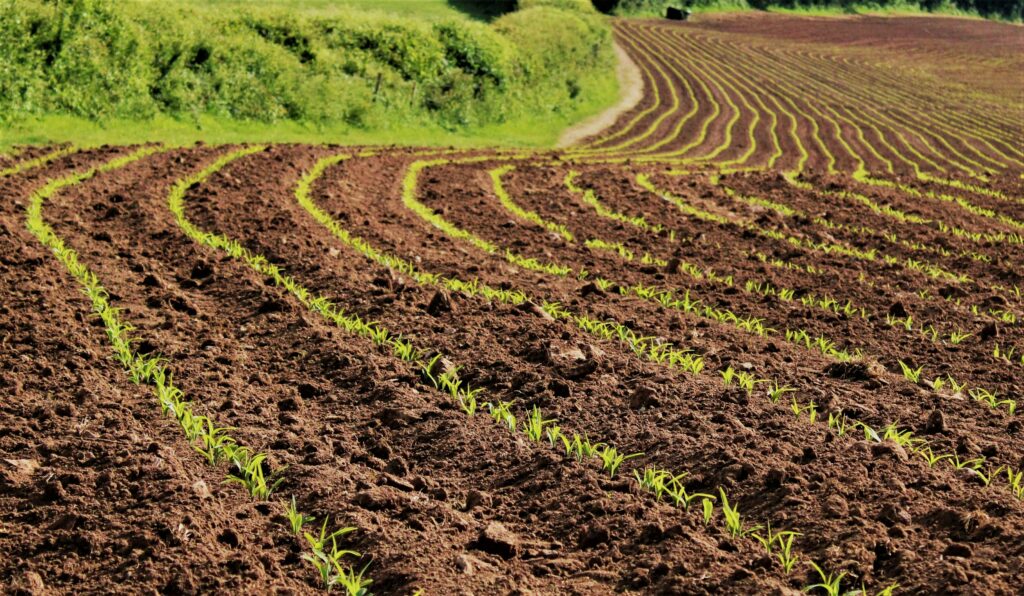
Understanding the causes of soil salinity is the first step in effective management. Salinity often develops due to poor-quality irrigation water, inadequate drainage, excessive fertilizer use, and high evaporation rates. When salts accumulate in the root zone, plants experience stress even when soil moisture appears sufficient. Identifying the source of salinity helps farmers choose the right corrective measures.
Improving soil drainage is essential for controlling salinity. Proper surface and subsurface drainage allows excess salts to be leached below the root zone. Raised beds and field leveling improve water movement and prevent salt accumulation in low-lying areas. Good drainage protects crop roots and improves soil aeration.
Efficient irrigation management reduces salt buildup. Applying the right amount of water at the right time prevents both waterlogging and salt concentration. Using drip or sprinkler irrigation improves uniformity and reduces evaporation losses. Periodic leaching with good-quality water helps flush salts away from the root zone.
Soil amendments play an important role in salinity management. Gypsum is commonly used to replace sodium with calcium in sodic soils, improving soil structure and permeability. Organic matter addition through compost and farmyard manure improves soil aggregation and enhances leaching of salts. Healthy soils are more resilient to salinity stress.
Crop and variety selection helps farmers manage saline soils productively. Salt-tolerant crops and varieties can produce acceptable yields under moderate salinity conditions. Crop rotation with tolerant species and deep-rooted plants improves soil conditions and reduces long-term salinity impact.
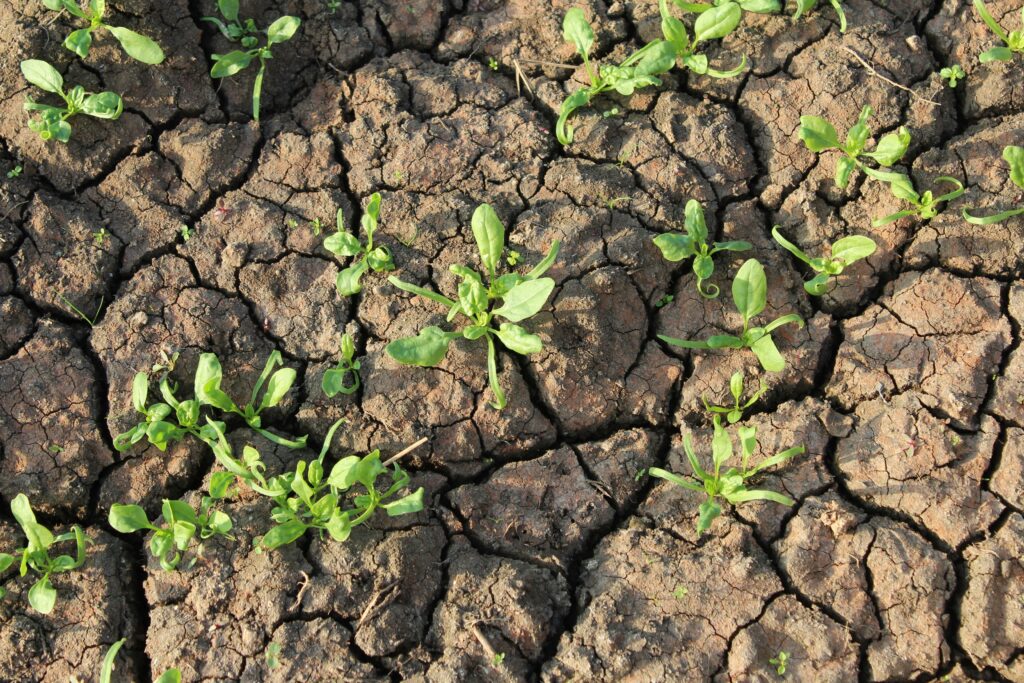
Monitoring and preventive practices are key to sustainability. Regular soil and water testing helps track salinity levels and guide management decisions. Avoiding excessive fertilizer use and maintaining proper field drainage prevent future salinity problems.
In conclusion, sustainable soil salinity management protects land productivity and supports long-term agricultural sustainability. By improving drainage, managing irrigation efficiently, using soil amendments, and selecting suitable crops, farmers can reclaim saline soils and maintain profitable farming systems.
Join our WhatsApp Channel for daily soil management tips, salinity control guidance, and expert agriculture advice: https://www.whatsapp.com/channel/0029VbBz1Ni5vKAHRbmLNy45