

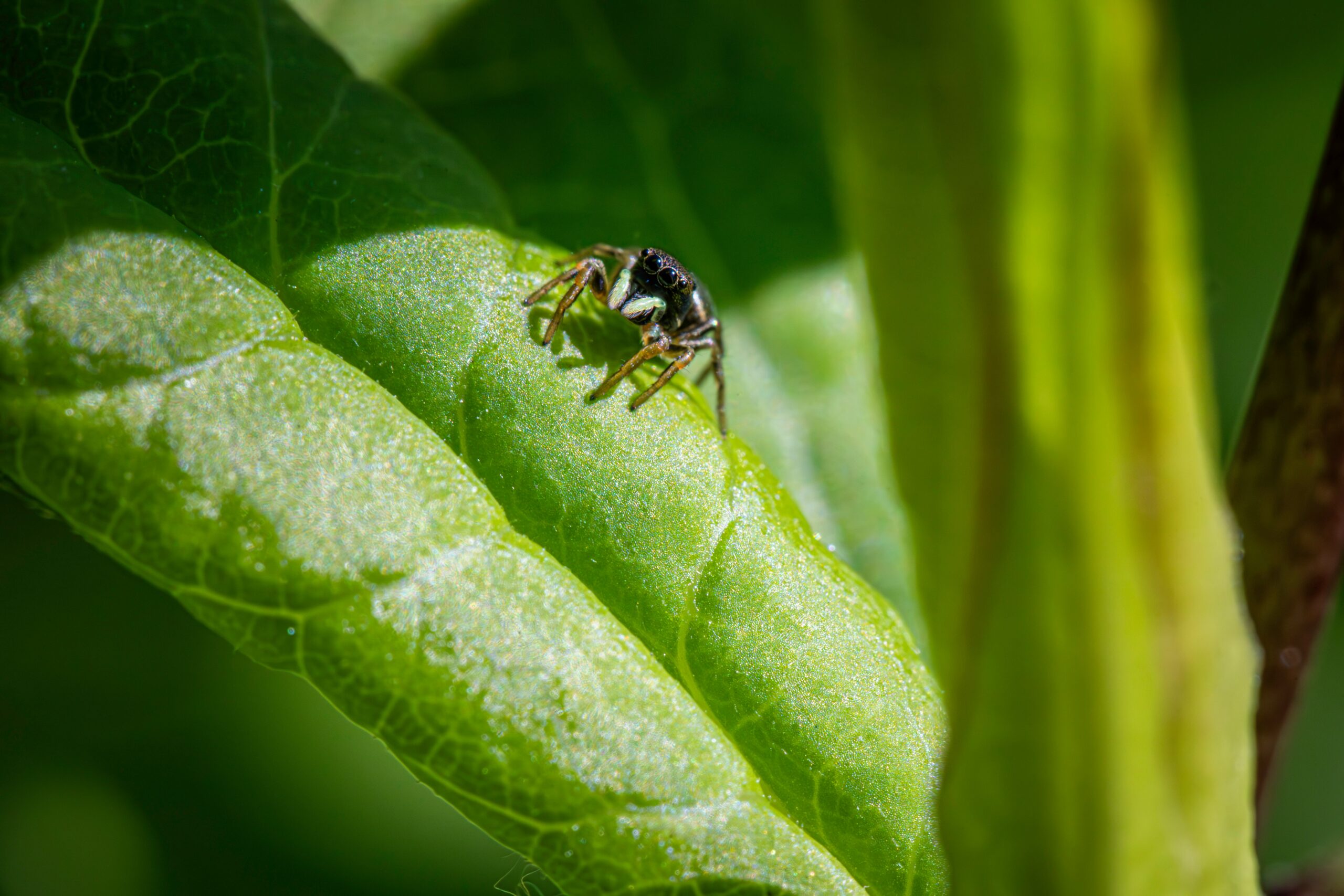
Pest pressure is a constant challenge in agriculture, causing significant yield losses and increasing production costs. Overreliance on chemical pesticides has led to pest resistance, environmental damage, and health concerns. Integrated Pest Management, commonly known as IPM, offers a sustainable approach to crop protection by combining biological, cultural, mechanical, and chemical methods in a balanced way.
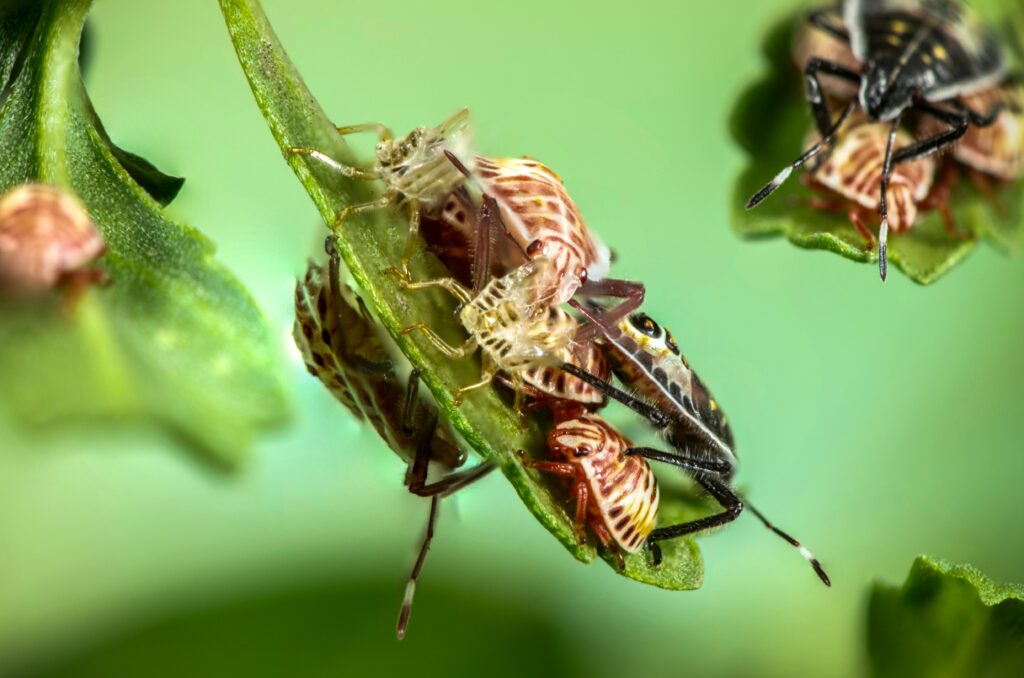
The foundation of IPM is prevention. Healthy crops grown in well-managed soils are naturally more resistant to pests and diseases. Practices such as crop rotation, timely planting, balanced fertilization, and proper irrigation reduce pest outbreaks. Selecting resistant crop varieties further minimizes the risk of severe infestations.
Regular monitoring and pest identification are essential components of IPM. Farmers need to inspect their fields frequently to detect early signs of pest activity. Correct identification of pests and beneficial insects helps in making informed decisions. Economic threshold levels guide farmers on when intervention is necessary, preventing unnecessary pesticide use.
Biological control plays a key role in IPM systems. Natural enemies such as predators, parasitoids, and beneficial microorganisms help control pest populations. Conserving these beneficial organisms through habitat management and reduced pesticide use enhances natural pest regulation. Biopesticides derived from plants or microbes provide effective and environmentally safe control options.
Cultural and mechanical control methods reduce pest survival and spread. Removing infested plant material, using traps, adjusting planting dates, and managing field sanitation disrupt pest life cycles. Physical barriers such as nets and mulches protect crops from insect damage without chemical inputs.
Chemical control is used as a last resort in IPM. When pesticides are necessary, selecting targeted and less toxic products minimizes harm to non-target organisms. Proper dosage, timing, and application methods ensure effectiveness while reducing environmental impact and residue risks.
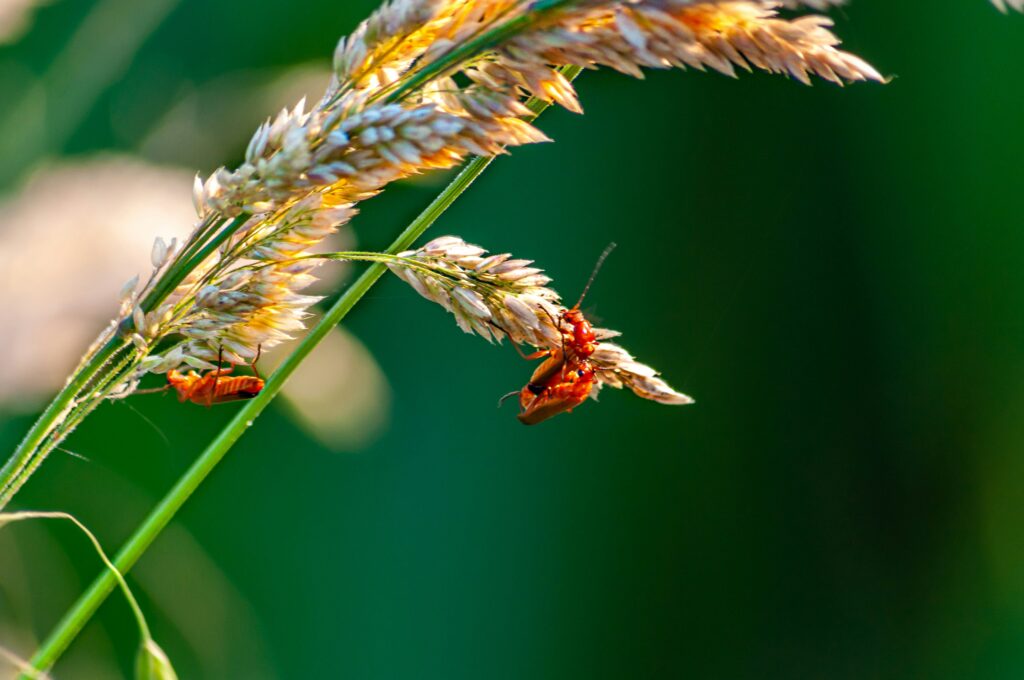
Integrated Pest Management also supports long-term sustainability. Reduced chemical use lowers production costs, protects soil and water resources, and improves worker and consumer safety. IPM systems enhance biodiversity and promote resilient agro-ecosystems.
In conclusion, Integrated Pest Management provides an effective and sustainable strategy for crop protection. By combining preventive practices, monitoring, biological controls, and responsible chemical use, farmers can manage pests efficiently while protecting the environment and ensuring stable crop yields.
Join our WhatsApp Channel for daily IPM tips, pest identification guidance, and expert agriculture advice: https://www.whatsapp.com/channel/0029VbBz1Ni5vKAHRbmLNy45