


Aquaculture is one of the fastest-growing food production sectors, providing a reliable source of protein and income for millions of farmers worldwide. Sustainable aquaculture focuses on producing fish and other aquatic organisms in a way that protects natural resources, maintains water quality, and ensures long-term profitability. Responsible management practices help farmers achieve high productivity without harming the environment.
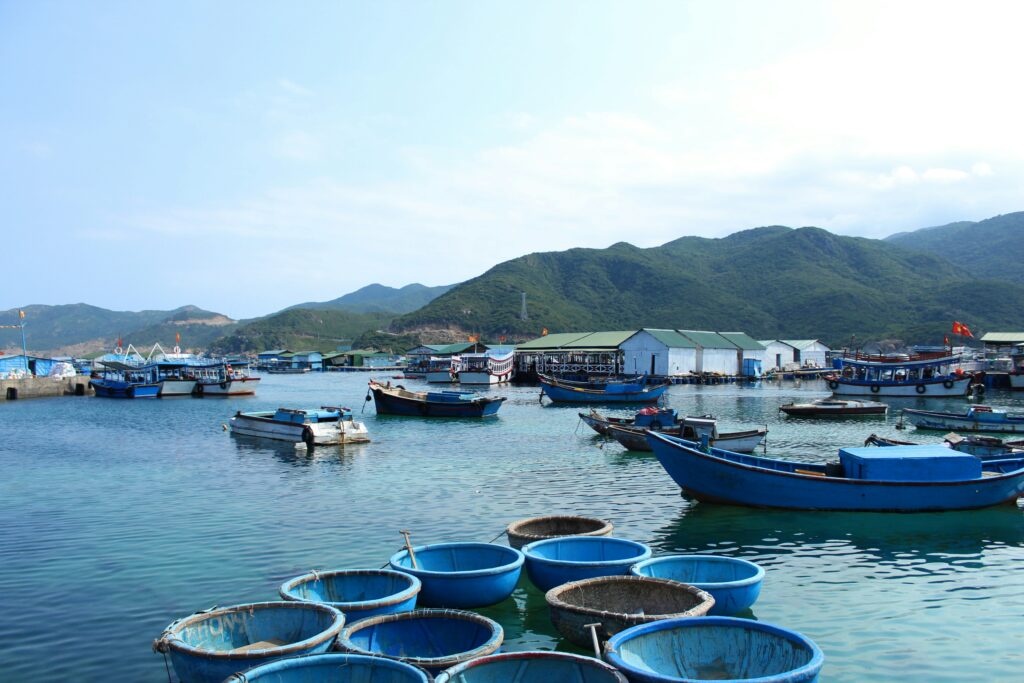
Site selection and pond design are critical factors in sustainable aquaculture. Choosing locations with good water availability, proper drainage, and minimal environmental risk improves production efficiency. Well-designed ponds with appropriate depth and slope support better water circulation and ease of management. Protecting surrounding ecosystems reduces pollution and disease risks.
Water quality management is central to successful fish farming. Parameters such as temperature, dissolved oxygen, pH, and ammonia levels must be monitored regularly. Maintaining good water quality reduces stress on fish and lowers disease outbreaks. Proper aeration and periodic water exchange help stabilize pond conditions.
Feed management strongly influences both productivity and sustainability. High-quality feed that meets nutritional requirements improves growth and feed conversion efficiency. Overfeeding should be avoided, as uneaten feed degrades water quality and increases costs. Using locally available and alternative feed ingredients reduces dependence on expensive commercial feeds.
Stocking density must be carefully managed to balance growth and health. Overstocking leads to competition, stress, and disease, while understocking reduces profitability. Selecting healthy fingerlings from reliable sources ensures better survival and uniform growth.
Disease prevention is more effective than treatment in aquaculture systems. Maintaining good hygiene, biosecurity measures, and proper nutrition strengthens fish immunity. Using probiotics and natural treatments reduces reliance on antibiotics and chemicals, supporting environmental and consumer safety.
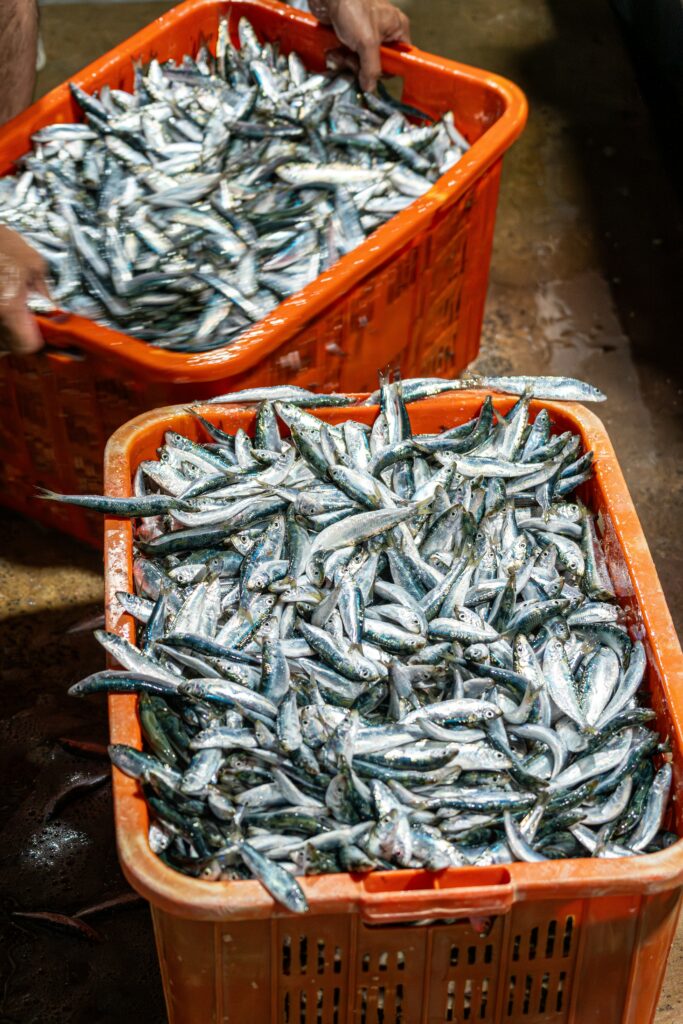
Sustainable aquaculture also creates economic and social benefits. Fish farming provides employment, diversifies farm income, and supports local food security. Integrating aquaculture with agriculture, such as using pond water for irrigation, improves overall farm efficiency.
In conclusion, sustainable aquaculture practices enable profitable fish farming while protecting water resources and ecosystems. Through careful site selection, water quality management, responsible feeding, and disease prevention, farmers can build resilient aquaculture systems that support long-term productivity and environmental sustainability.
Join our WhatsApp Channel for daily aquaculture tips, fish health guidance, and expert agriculture advice: [Your WhatsApp Link]