

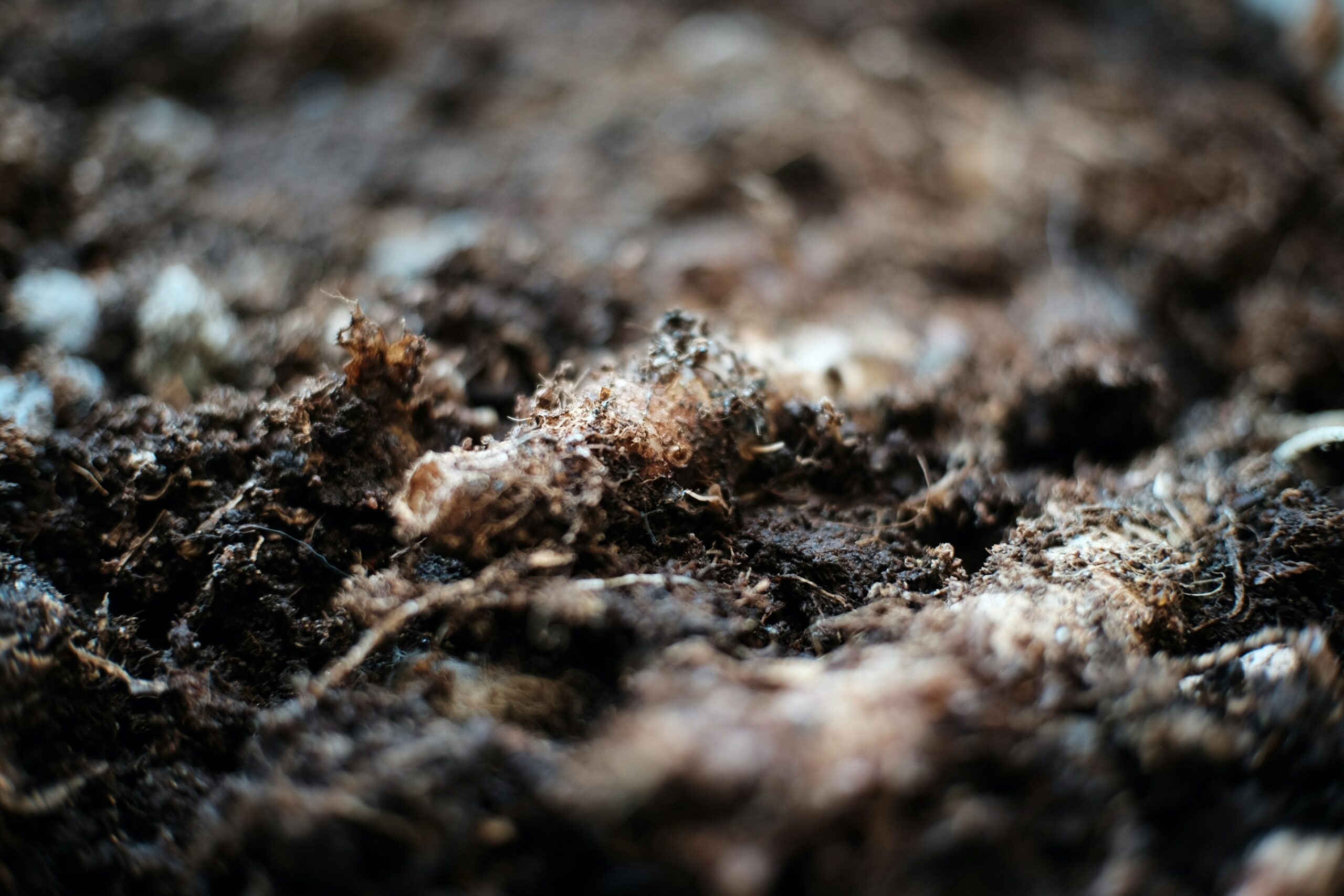
Composting is a natural and effective method of recycling organic waste into valuable soil nutrients. Sustainable composting techniques help farmers improve soil fertility, reduce dependency on chemical fertilizers, and manage farm and household waste responsibly. By converting organic residues into compost, agriculture becomes more environmentally friendly and economically efficient.
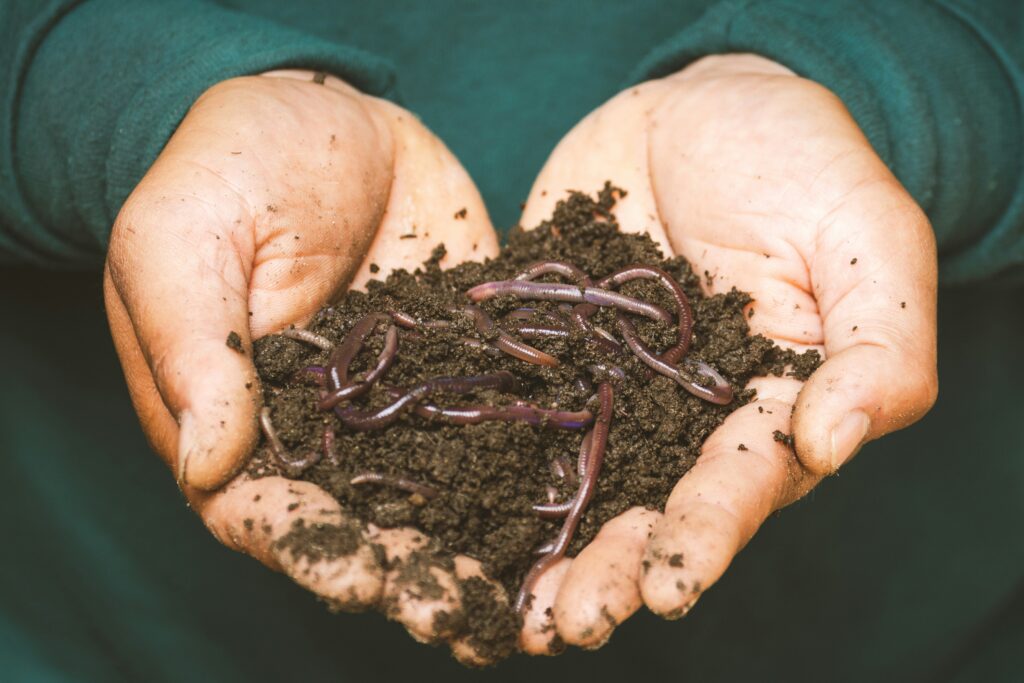
The composting process begins with the collection of organic materials such as crop residues, animal manure, kitchen waste, and green plant matter. A proper balance of carbon-rich materials and nitrogen-rich materials is essential for effective decomposition. Maintaining the right moisture level and aeration allows beneficial microorganisms to break down organic matter efficiently.
Different composting methods can be used depending on available resources and scale. Traditional heap composting is simple and suitable for small farms. Pit composting reduces moisture loss and is effective in dry regions. Vermicomposting uses earthworms to produce high-quality compost rich in nutrients and beneficial microbes.
Temperature management plays a key role in composting. During active decomposition, compost piles generate heat that helps destroy weed seeds and harmful pathogens. Turning the compost regularly improves aeration and ensures uniform decomposition. Properly matured compost has a dark color, earthy smell, and crumbly texture.
Applying compost improves soil physical, chemical, and biological properties. Compost enhances soil structure, increases water-holding capacity, and improves nutrient availability. It supports beneficial soil organisms that contribute to nutrient cycling and disease suppression. Healthier soils lead to stronger root systems and better crop growth.
Sustainable composting also reduces environmental pollution. Recycling organic waste reduces landfill use and greenhouse gas emissions. Compost application improves nutrient efficiency, reducing nutrient runoff into water bodies. This supports cleaner water and healthier ecosystems.
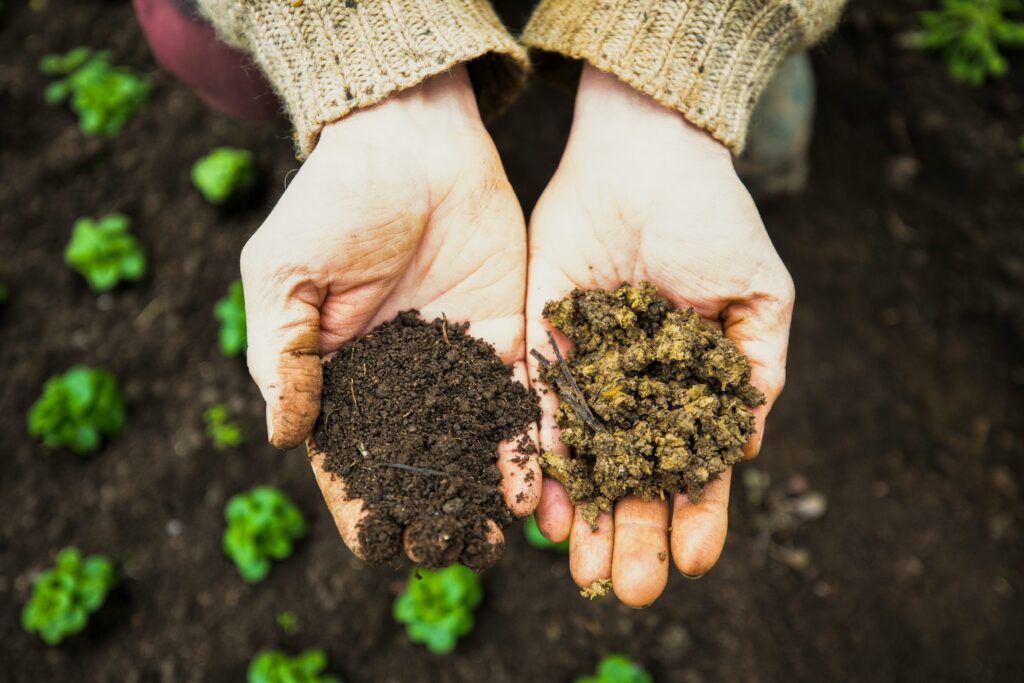
Economically, composting lowers input costs by reducing the need for chemical fertilizers. Surplus compost can be sold locally, creating additional income opportunities. Composting strengthens farm sustainability by closing nutrient loops within the production system.
In conclusion, sustainable composting techniques offer a practical solution for improving soil fertility and managing organic waste. By adopting efficient composting practices, farmers can enhance crop productivity, protect the environment, and build resilient agricultural systems.
Join our WhatsApp Channel for daily composting tips, organic soil improvement guidance, and expert agriculture advice:https://www.whatsapp.com/channel/0029VbBz1Ni5vKAHRbmLNy45