

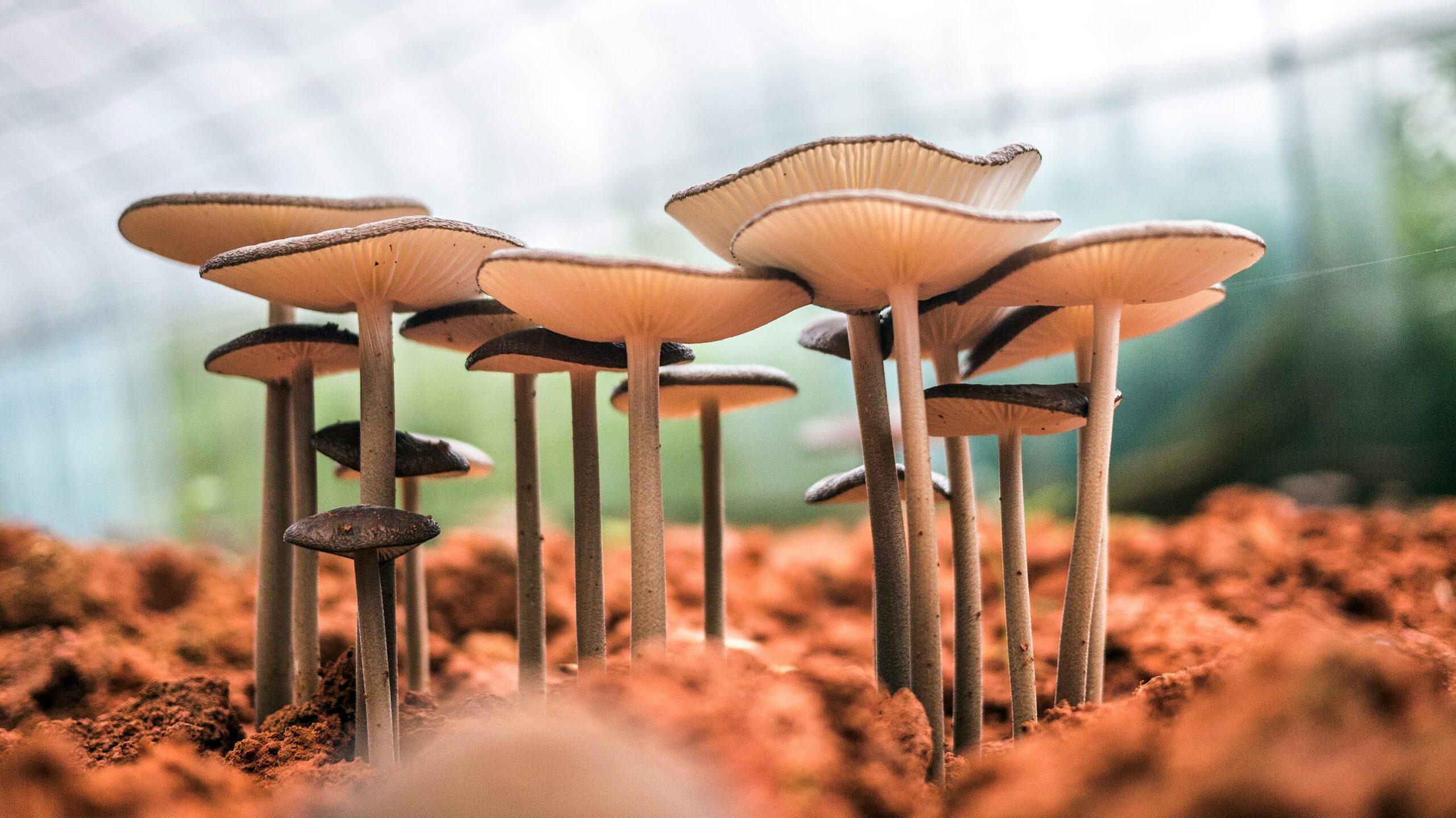
Mushroom farming is an emerging agricultural enterprise that offers high returns with relatively low land requirements. As demand for nutritious and protein-rich foods increases, mushrooms have become popular in both local and international markets. Sustainable mushroom farming focuses on efficient resource use, waste recycling, and environmentally friendly production practices that ensure consistent quality and profitability.
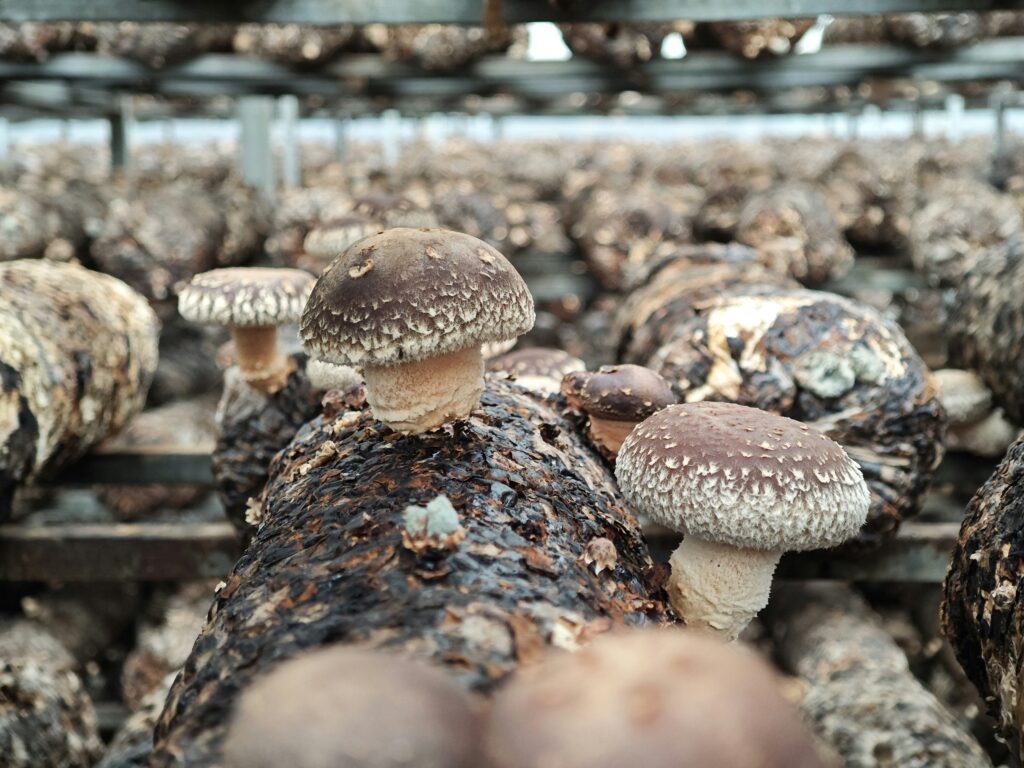
One of the major advantages of mushroom cultivation is that it does not require fertile agricultural land. Mushrooms can be grown indoors in controlled environments such as sheds, rooms, or tunnels. This makes it an ideal option for small farmers, urban growers, and entrepreneurs with limited space. Controlled production also allows year-round cultivation, ensuring regular income.
Substrate preparation is the foundation of successful mushroom farming. Agricultural wastes such as wheat straw, rice straw, sawdust, and corn cobs are commonly used as growing media. Recycling these materials not only reduces production costs but also supports environmental sustainability. Proper pasteurization or sterilization of the substrate eliminates harmful organisms and ensures healthy mushroom growth.
Temperature, humidity, and ventilation management are critical for optimal production. Different mushroom species require specific environmental conditions. For example, oyster mushrooms tolerate a wider temperature range, while button mushrooms require more precise control. Maintaining proper humidity levels supports fruiting and prevents drying of the crop.
Quality spawn selection significantly affects yield and productivity. Using certified and disease-free spawn ensures uniform growth and reduces contamination risks. Hygiene during handling and production is essential to prevent infections and maintain crop quality.
Sustainable mushroom farming also emphasizes waste management. After harvesting, spent mushroom substrate can be used as organic fertilizer or animal feed. This recycling process reduces waste and improves overall farm efficiency. Composting spent substrate enhances soil fertility and supports crop production.
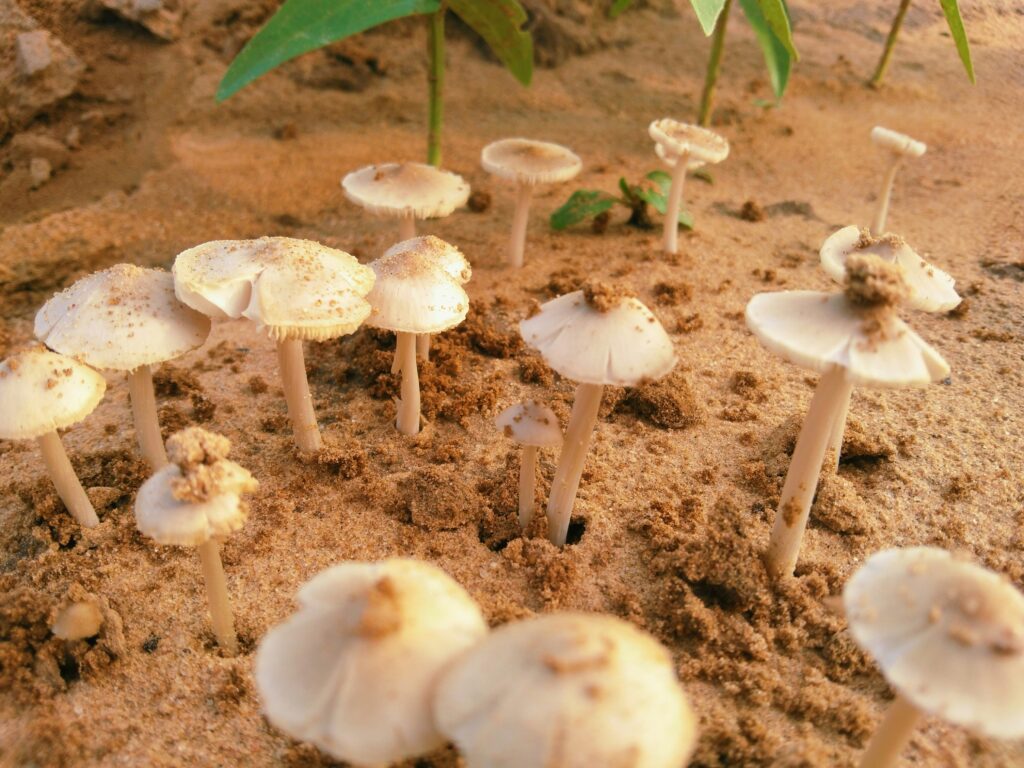
Economically, mushroom farming provides high returns due to short production cycles and strong market demand. Value addition through drying, packaging, and processing increases shelf life and market opportunities. Proper branding and quality assurance help farmers access premium markets.
In conclusion, sustainable mushroom farming offers a profitable and resource-efficient agricultural opportunity. By utilizing agricultural waste, maintaining controlled environments, and ensuring proper hygiene, farmers can achieve consistent production while supporting environmental sustainability.
Join our WhatsApp Channel for daily mushroom farming tips, cultivation guidance, and expert agriculture advice: https://www.whatsapp.com/channel/0029VbBz1Ni5vKAHRbmLNy45