

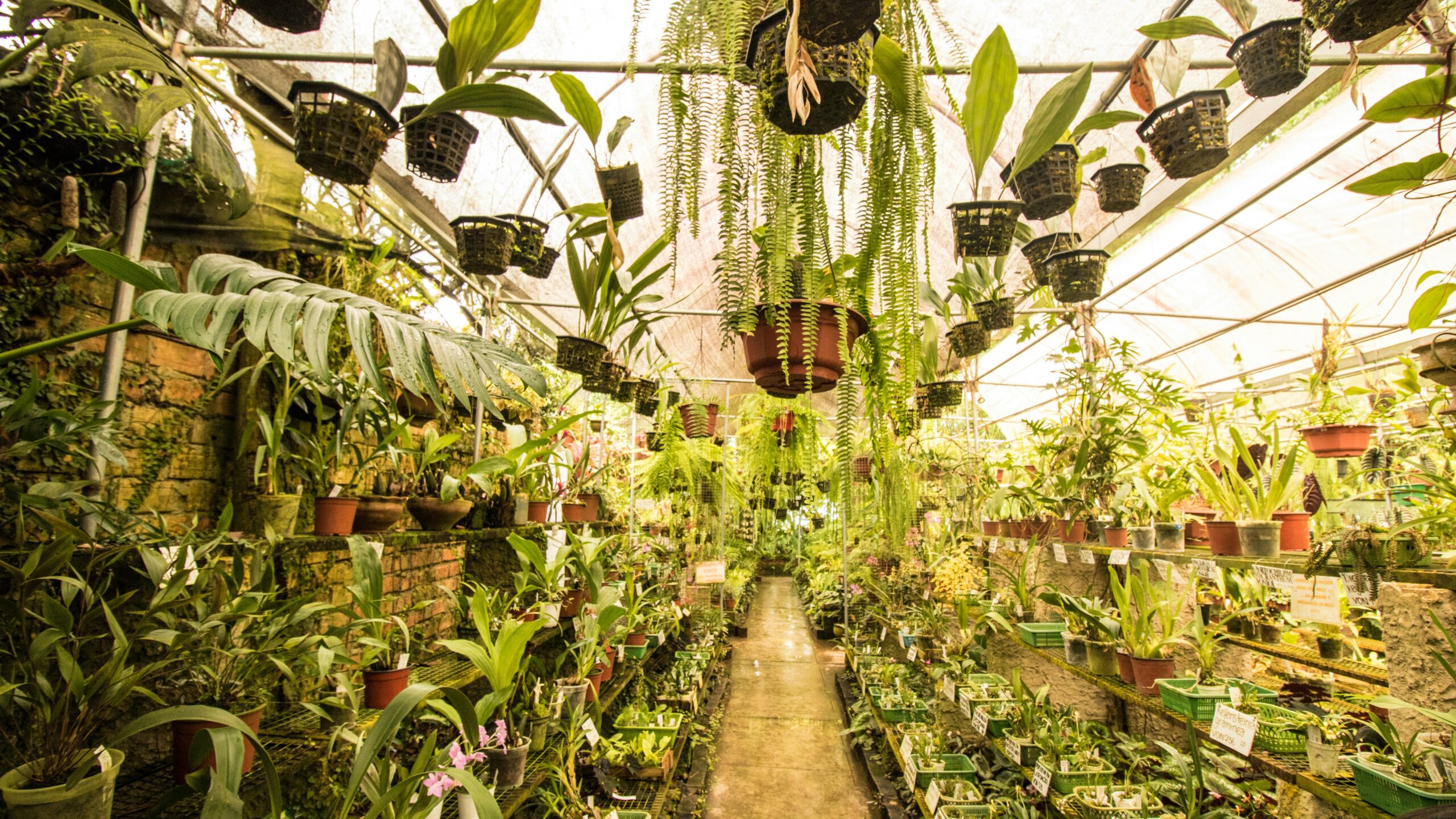
Medicinal plant cultivation is gaining importance as demand for herbal products, natural remedies, and plant-based pharmaceuticals continues to grow worldwide. Sustainable medicinal plant farming offers farmers an opportunity to diversify income while promoting biodiversity and environmentally responsible agriculture. With proper planning and management, medicinal crops can provide high returns and long-term sustainability.
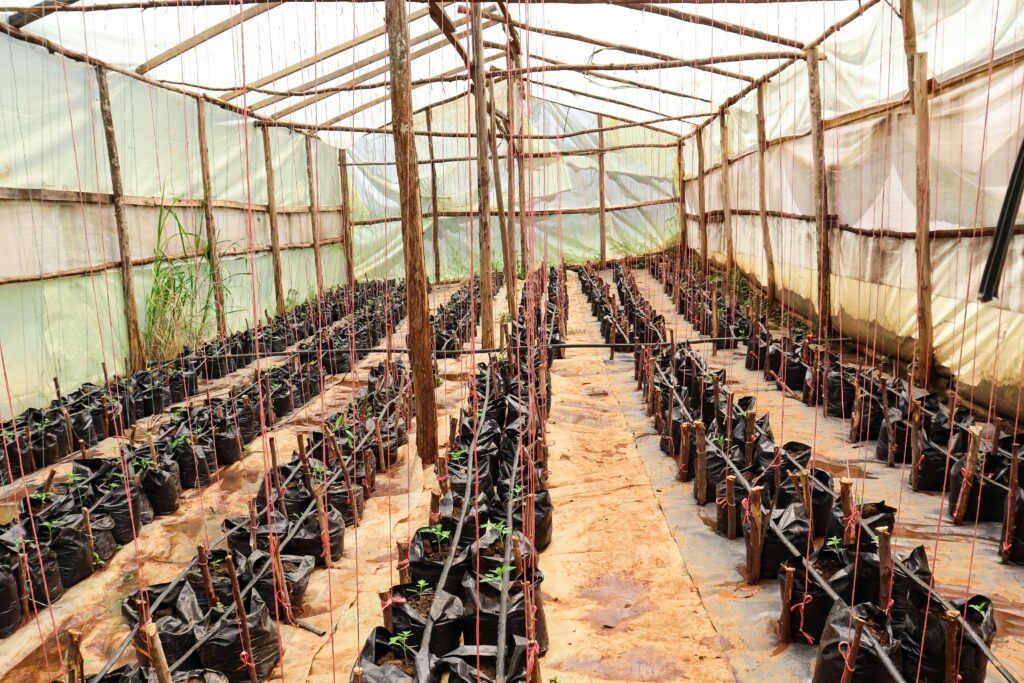
The first step in successful medicinal plant cultivation is selecting suitable species based on climate, soil conditions, and market demand. Crops such as aloe vera, turmeric, ginger, ashwagandha, mint, and basil are widely cultivated due to their strong commercial value. Choosing locally adapted varieties improves survival rate and reduces input requirements.
Soil health plays a critical role in the quality of medicinal plants. Since these crops are often used for therapeutic purposes, maintaining chemical-free and nutrient-rich soil is essential. Organic manures, compost, and biofertilizers improve soil fertility and enhance the active compounds in medicinal plants. Avoiding excessive chemical fertilizers preserves product purity and market value.
Water management should be carefully planned. Many medicinal plants require moderate irrigation and well-drained soil. Overwatering can reduce the concentration of active ingredients and increase disease risk. Drip irrigation systems provide controlled water supply and improve water use efficiency.
Integrated pest and disease management ensures crop protection without contaminating produce. Biological control agents, herbal extracts, and proper field sanitation help maintain plant health. Since medicinal crops are sensitive to chemical residues, sustainable pest management practices are essential for certification and export opportunities.
Harvesting and post-harvest handling significantly affect product quality. Medicinal plants must be harvested at the correct growth stage to ensure maximum active ingredient concentration. Proper drying, cleaning, and storage preserve potency and prevent contamination. Value addition through processing, such as drying, powdering, or oil extraction, increases profitability.
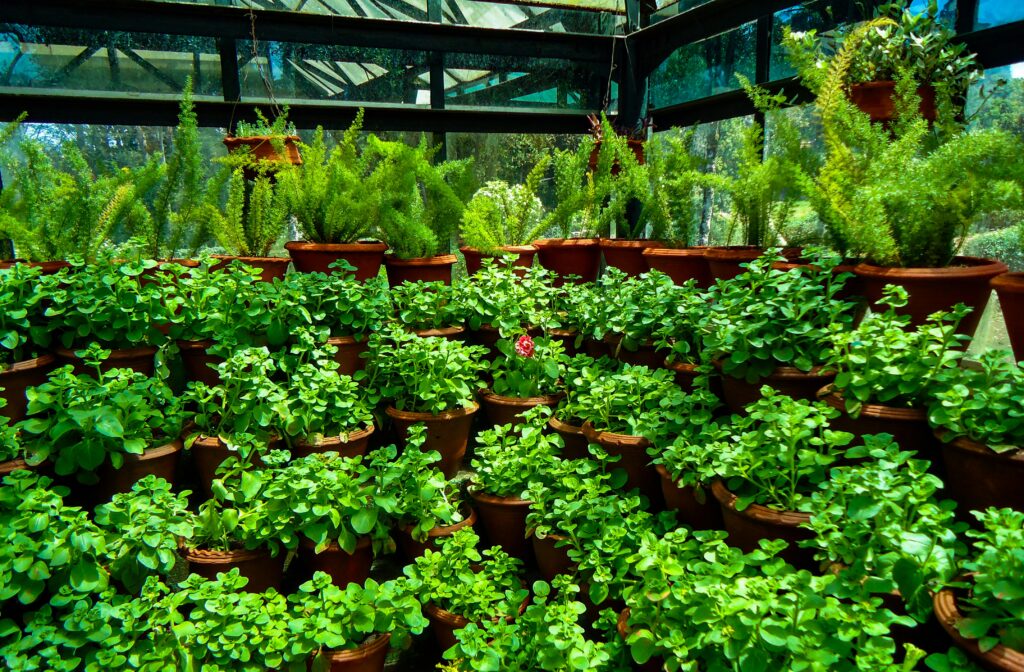
Market research and contract farming can reduce marketing risks. Farmers should establish reliable buyers and understand quality standards before large-scale cultivation. Certification programs for organic or good agricultural practices enhance product credibility and access to premium markets.
In conclusion, sustainable medicinal plant cultivation provides a profitable and environmentally friendly diversification option for farmers. By focusing on soil health, careful water management, organic practices, and quality post-harvest handling, farmers can meet growing market demand while maintaining ecological balance.
Join our WhatsApp Channel for daily medicinal plant farming tips, market updates, and expert agriculture advice: https://www.whatsapp.com/channel/0029VbBz1Ni5vKAHRbmLNy45