

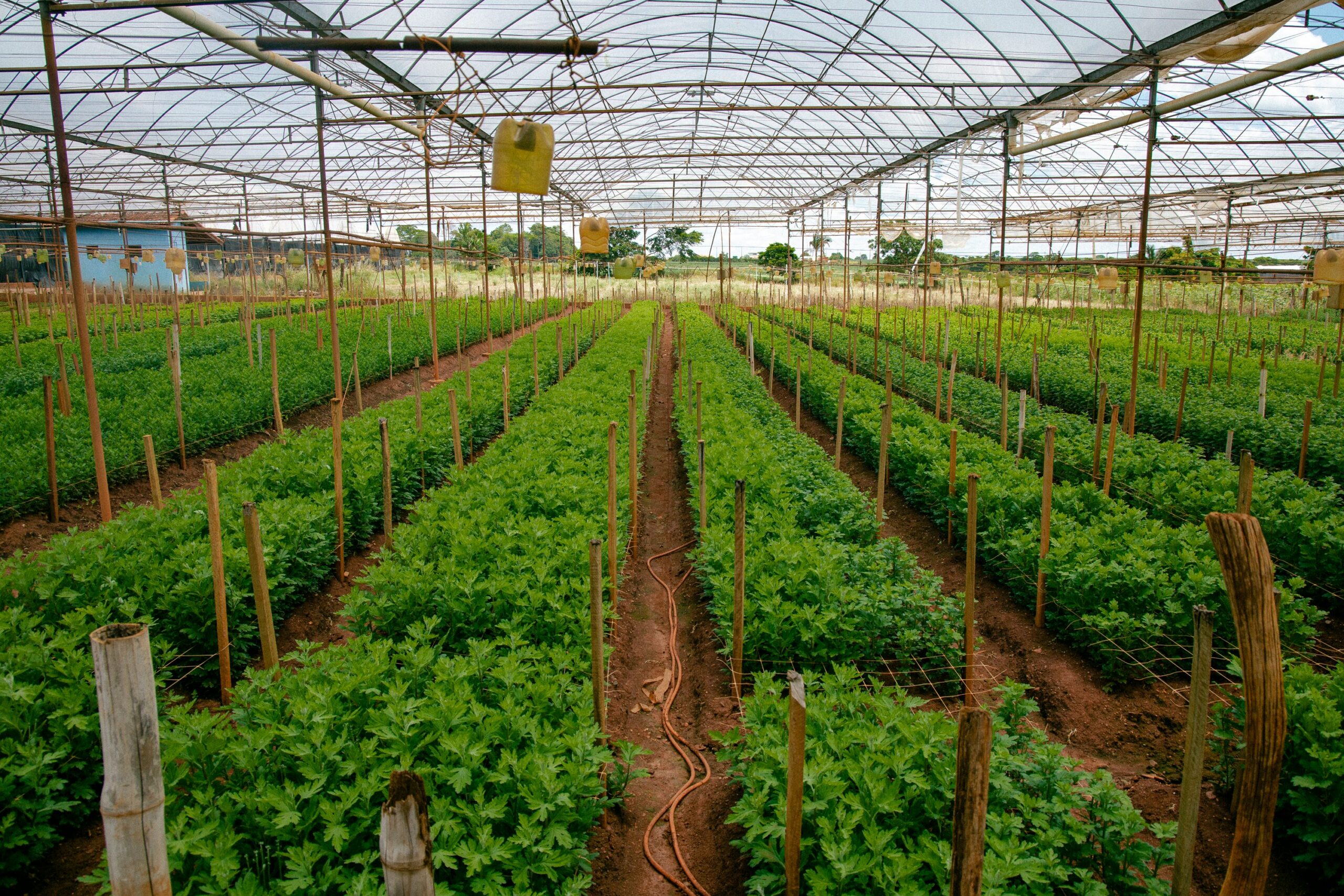
Greenhouse farming, also known as protected cultivation, is an advanced agricultural practice that allows farmers to grow crops under controlled environmental conditions. By managing temperature, humidity, light, and irrigation, greenhouse farming reduces the impact of weather uncertainty and increases crop productivity. This system is especially useful for producing high-value crops such as vegetables, flowers, and fruits with consistent quality throughout the year.
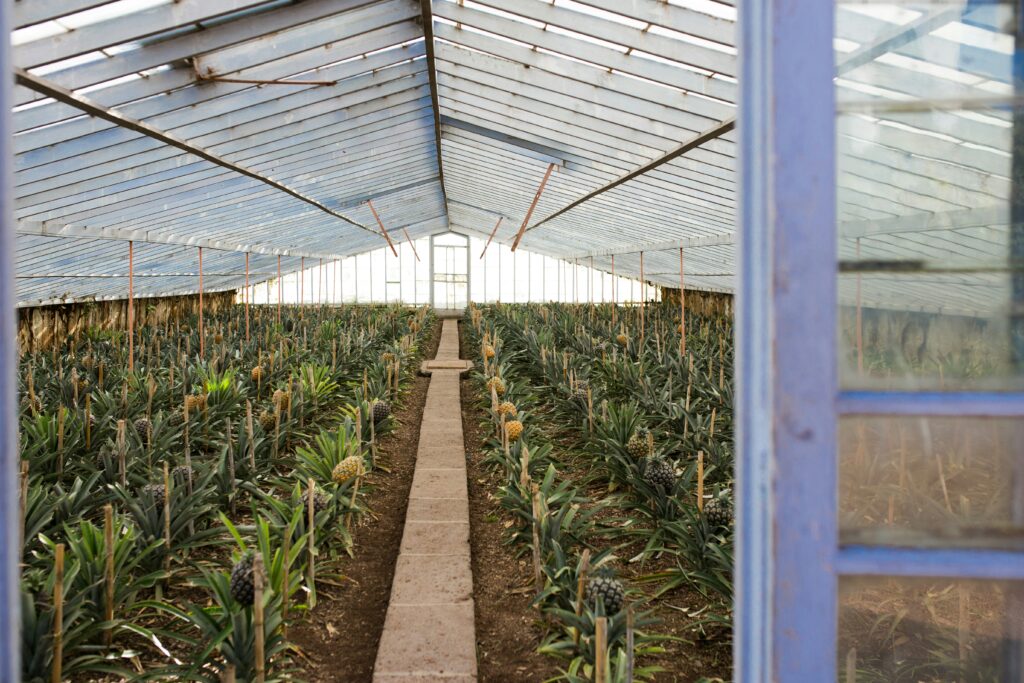
One of the main advantages of greenhouse farming is climate control. Crops grown inside greenhouses are protected from extreme heat, cold, heavy rain, frost, and strong winds. This protection creates a stable growing environment, leading to faster growth, higher yields, and better quality produce. Farmers can grow crops even during off-seasons, allowing them to access markets when prices are high.
Efficient water and nutrient management are key features of protected cultivation. Drip irrigation and fertigation systems deliver water and nutrients directly to the root zone, reducing wastage and improving uptake efficiency. Controlled irrigation prevents water stress and nutrient imbalance, resulting in uniform crop growth and higher yields.
Greenhouse farming also supports effective pest and disease management. Physical barriers such as insect nets reduce pest entry, while controlled environments limit disease spread. Integrated pest management practices can be implemented more efficiently, reducing reliance on chemical pesticides. This leads to safer produce and lower production costs.
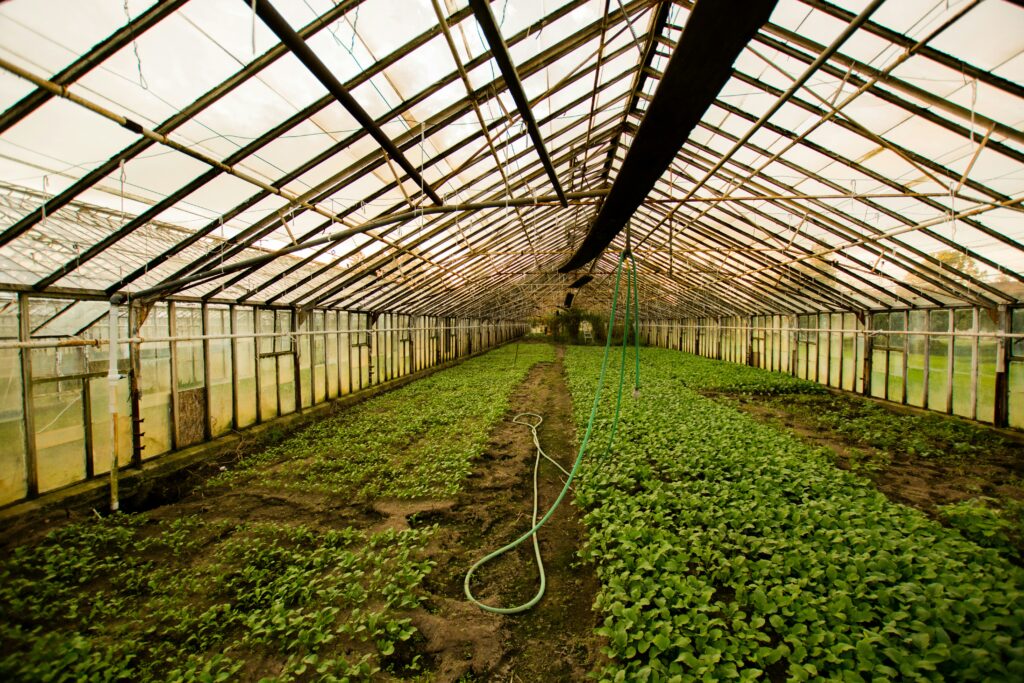
Crop selection plays a crucial role in greenhouse profitability. High-value crops such as tomatoes, cucumbers, capsicum, lettuce, strawberries, and cut flowers are commonly grown under protected conditions. These crops respond well to controlled environments and offer higher returns compared to open-field cultivation.
Although greenhouse farming requires initial investment, it offers strong economic benefits in the long term. Higher yields, better quality, reduced losses, and year-round production increase income stability. Government subsidies, training programs, and technical support have made greenhouse technology more accessible to small and medium-scale farmers.
Skill development and proper management are essential for successful greenhouse farming. Farmers must monitor environmental conditions regularly and adjust irrigation, ventilation, and nutrient supply accordingly. With proper training and planning, greenhouse farming can significantly enhance farm profitability.
In conclusion, greenhouse farming and protected cultivation provide an effective solution for modern agriculture. By controlling environmental factors and improving resource efficiency, farmers can produce high-quality crops, reduce risks, and achieve higher income. This technology-driven approach is shaping the future of high-value agriculture.
Join our WhatsApp Channel for daily greenhouse farming tips, protected cultivation updates, and expert agriculture guidance: https://www.whatsapp.com/channel/0029VbBz1Ni5vKAHRbmLNy45