

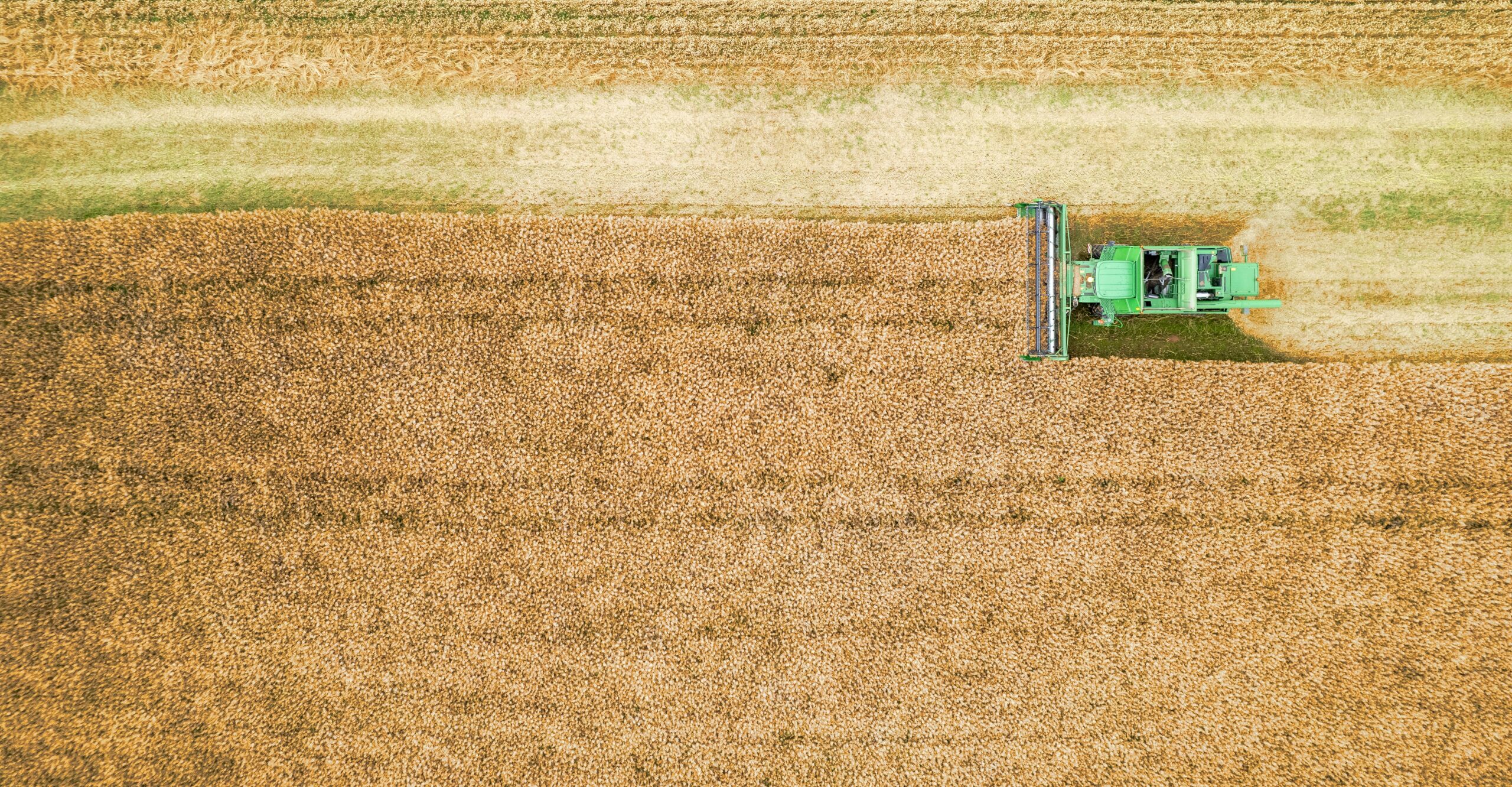
Precision agriculture is transforming modern farming by using digital technologies to manage crops more efficiently and accurately. Instead of treating the entire field the same way, precision agriculture focuses on understanding field variability and applying inputs such as water, fertilizers, and pesticides only where they are needed. This approach improves productivity, reduces costs, and supports environmental sustainability.
The foundation of precision agriculture is data collection. Tools such as soil sensors, weather stations, GPS-enabled machinery, and satellite imagery provide real-time information about soil moisture, nutrient levels, crop health, and weather conditions. This data helps farmers make informed decisions based on actual field conditions rather than assumptions.
Variable rate technology is a key component of precision farming. It allows farmers to apply fertilizers, seeds, and pesticides at different rates across the field. Areas with higher nutrient demand receive more inputs, while low-demand zones receive less. This targeted application improves input efficiency and prevents overuse, which can harm the environment.
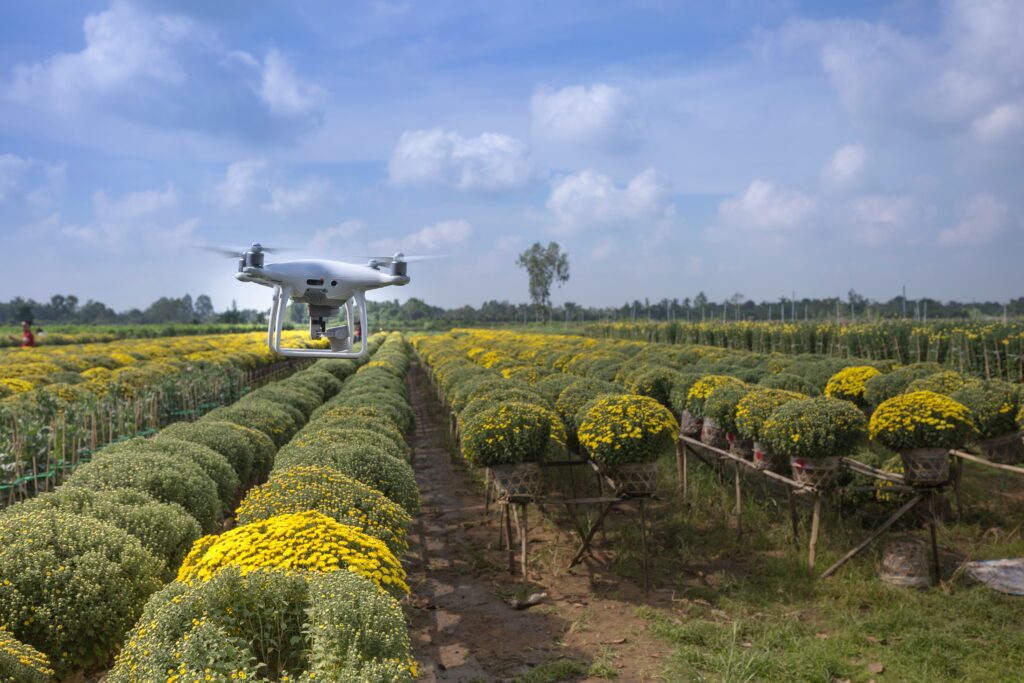
Remote sensing and drone technology provide valuable insights into crop growth and stress. Aerial images help detect nutrient deficiencies, pest infestations, and water stress at early stages. Early detection allows timely intervention, reducing yield losses and improving crop quality.
Precision irrigation systems optimize water use by applying the right amount of water at the right time. Soil moisture sensors and automated irrigation scheduling reduce water wastage and improve crop water productivity. Efficient irrigation supports crop resilience during drought conditions.
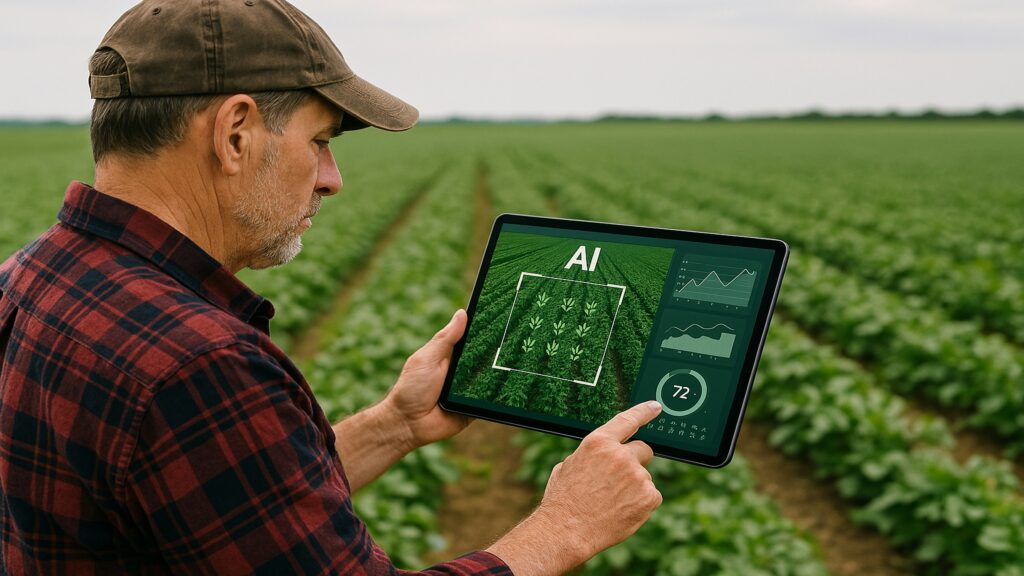
Digital farm management platforms integrate data from multiple sources into user-friendly dashboards. These systems help farmers plan operations, track costs, monitor performance, and evaluate outcomes. Better record keeping improves decision-making and long-term farm planning.
Precision agriculture also supports sustainability goals. Reduced input use lowers greenhouse gas emissions and protects soil and water resources. Improved efficiency increases profitability while maintaining environmental balance.
In conclusion, precision agriculture using digital technologies enables smarter and more sustainable farming. By leveraging data, automation, and targeted management, farmers can increase yields, reduce costs, and build resilient agricultural systems for the future.
Join our WhatsApp Channel for daily precision farming tips, agri-tech updates, and expert agriculture advice: https://www.whatsapp.com/channel/0029VbBz1Ni5vKAHRbmLNy45