

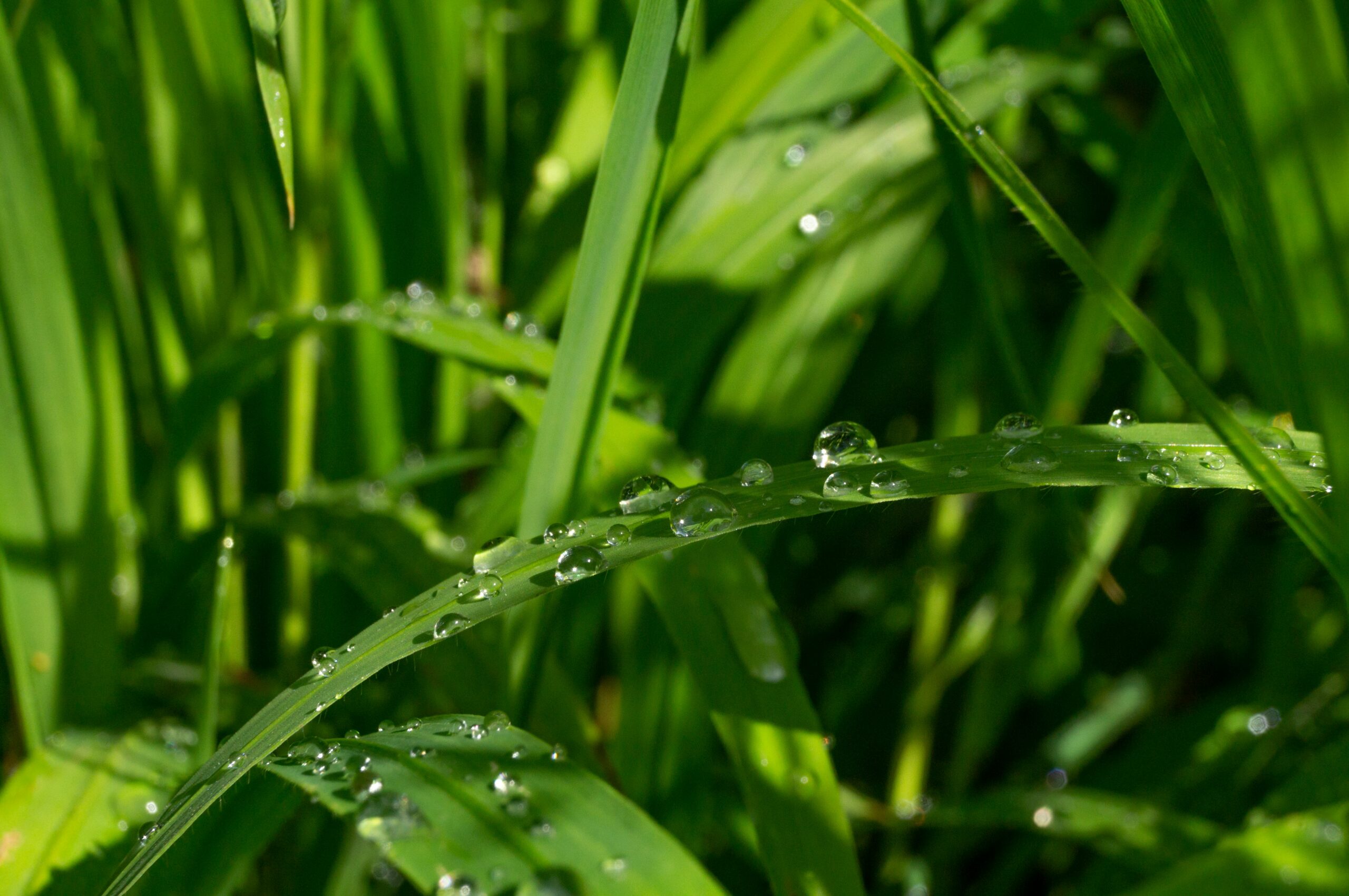
Rainfed farming supports a large portion of global agriculture, especially in regions where irrigation facilities are limited. These farming systems depend entirely on rainfall, making them highly vulnerable to climate variability. Sustainable rainfed farming focuses on conserving soil moisture, improving water-use efficiency, and reducing production risks to achieve stable yields and reliable farm income.
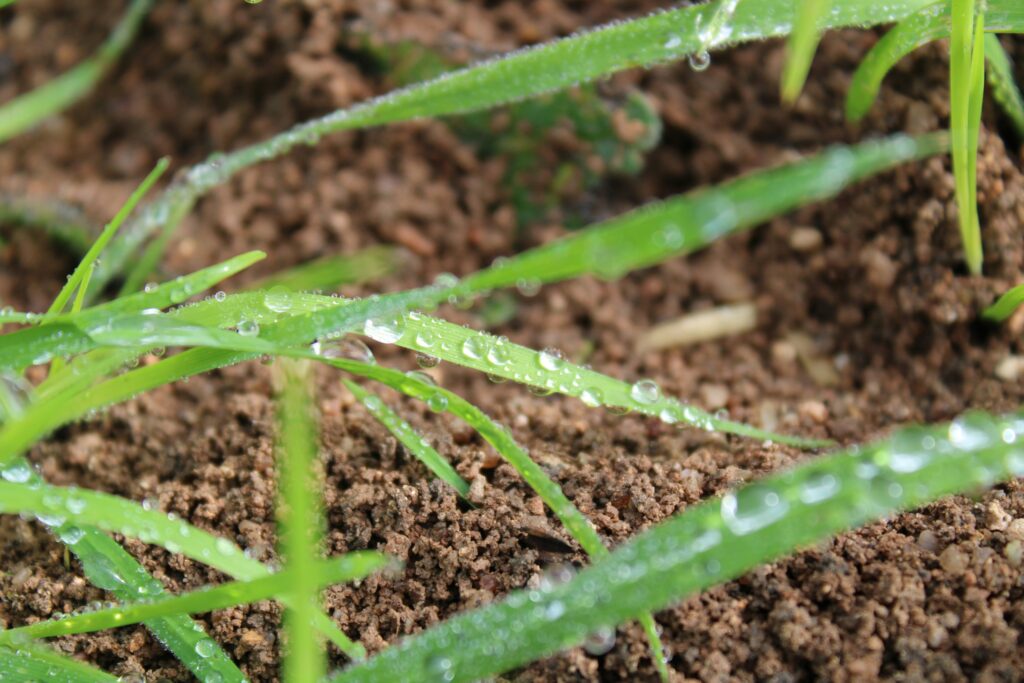
Soil moisture conservation is the foundation of successful rainfed farming. Practices such as mulching, minimum tillage, and residue retention reduce evaporation losses and improve water infiltration. Contour farming and bunding slow down runoff and allow rainwater to soak into the soil, increasing moisture availability for crops.
Crop and variety selection play a critical role in rainfed systems. Drought-tolerant and early-maturing crop varieties perform better under uncertain rainfall conditions. Choosing crops suited to local rainfall patterns reduces the risk of total crop failure. Intercropping systems spread risk by combining crops with different water requirements and growth habits.
Timely land preparation and sowing are essential in rainfed agriculture. Preparing fields before the onset of monsoon allows farmers to plant crops as soon as rainfall begins. Early sowing helps crops utilize available moisture more effectively and establish strong root systems before dry spells occur.
Nutrient management in rainfed farming must support efficient water use. Balanced fertilization promotes deeper root growth and better moisture uptake. Organic matter addition improves soil structure and water-holding capacity. Micro-nutrient management enhances crop resilience under moisture stress.
Rainwater harvesting and in-situ water conservation improve moisture availability during dry periods. Farm ponds, check dams, and field trenches store excess rainwater for supplemental irrigation. Even small amounts of additional water at critical growth stages can significantly improve yields.
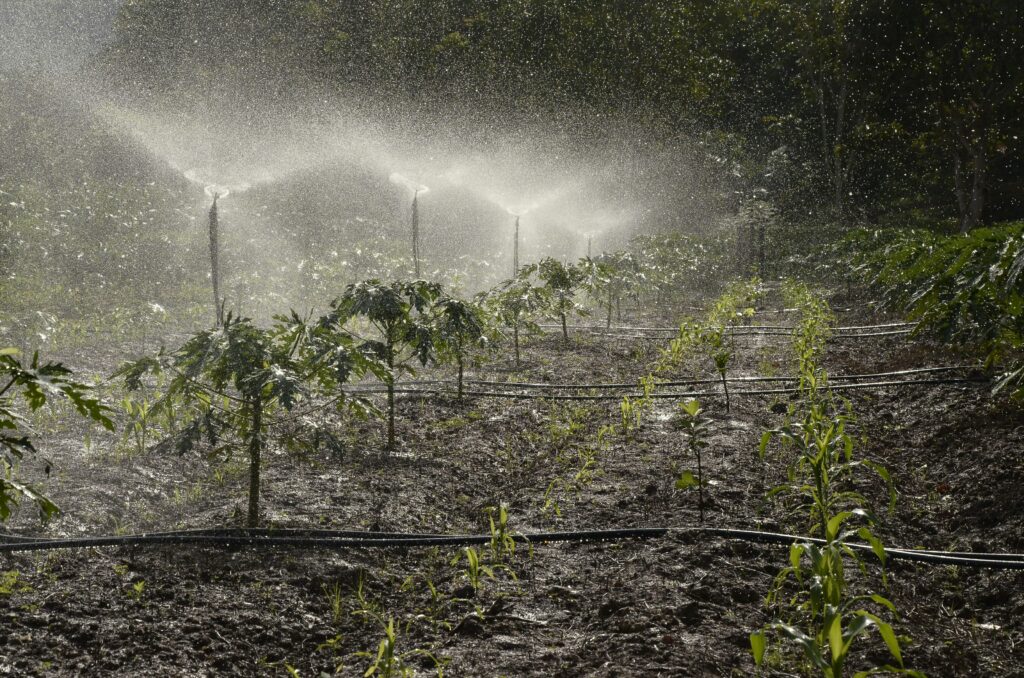
Risk management strategies strengthen rainfed farming systems. Crop insurance, weather-based advisories, and diversified farming activities reduce financial losses during drought years. Integrating livestock and agroforestry provides alternative income sources and improves system resilience.
In conclusion, sustainable rainfed farming strategies help farmers adapt to variable rainfall and climate uncertainty. By conserving soil moisture, selecting suitable crops, managing nutrients efficiently, and harvesting rainwater, farmers can achieve stable yields and improve livelihoods in rainfed regions.
Join our WhatsApp Channel for daily rainfed farming tips, drought management guidance, and expert agriculture advice: https://www.whatsapp.com/channel/0029VbBz1Ni5vKAHRbmLNy45