

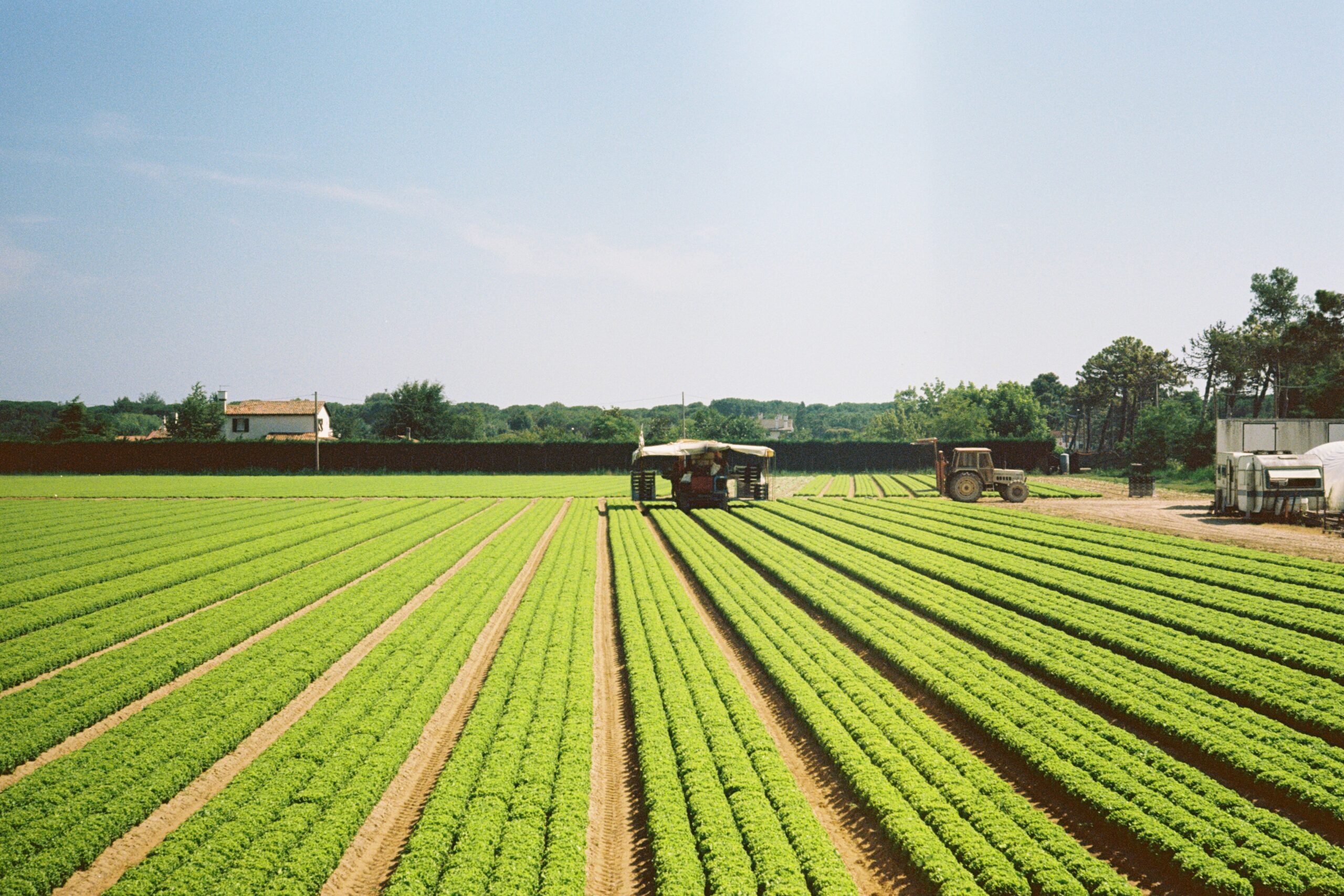
Farm diversification is a strategic approach that involves integrating multiple agricultural activities within a single farm system. Instead of relying on one crop or enterprise, farmers diversify their operations by combining crops, livestock, horticulture, fisheries, agroforestry, or value-added activities. This approach reduces financial risk, improves resource use efficiency, and supports long-term farm sustainability.
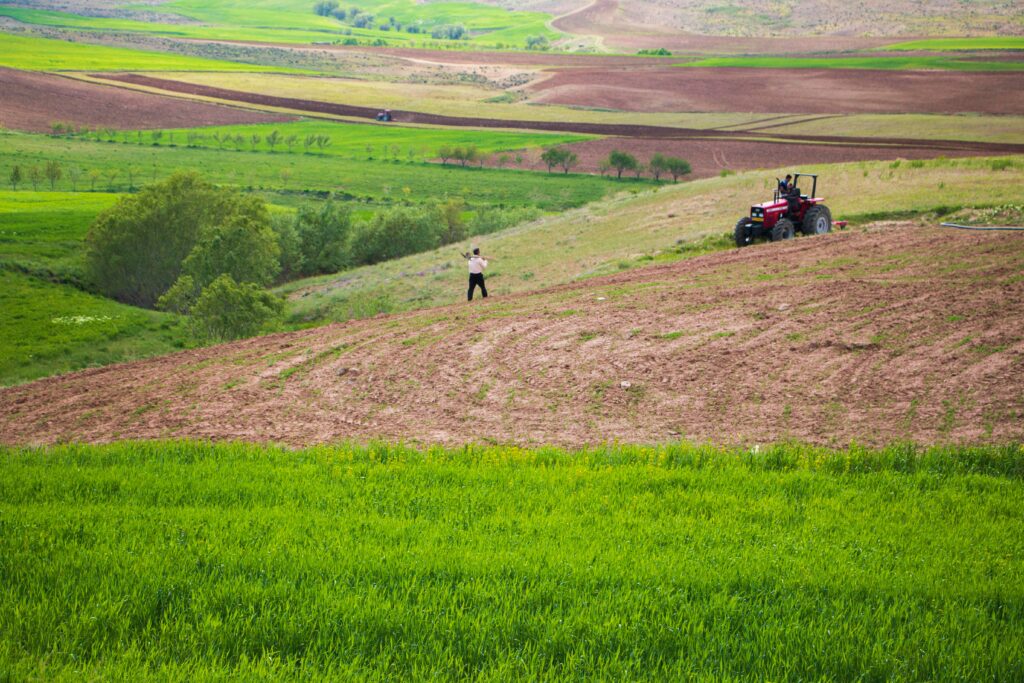
One of the primary benefits of farm diversification is income stability. Agricultural markets are often unpredictable, with prices influenced by weather, supply, and demand. When farmers depend on a single crop, a poor harvest or market crash can severely affect income. Diversification spreads risk across multiple enterprises, ensuring that if one activity underperforms, others can compensate.
Efficient use of farm resources is another key advantage of diversification. Crop residues can be used as livestock feed, while animal manure serves as organic fertilizer for fields. Water resources can be shared among crops, livestock, and fisheries. This integrated use of resources reduces waste and lowers production costs while improving overall farm efficiency.
Farm diversification also improves soil health and environmental sustainability. Growing different crops in rotation enhances soil fertility and reduces pest and disease buildup. Integrating trees and perennial plants prevents erosion and improves biodiversity. Mixed farming systems support beneficial organisms and create a more balanced ecosystem.
Diversification creates opportunities for employment and skill development. Activities such as vegetable cultivation, dairy farming, poultry, beekeeping, and food processing require labor throughout the year. This provides continuous employment for farm families and rural communities, reducing seasonal unemployment and migration.
Market-oriented diversification allows farmers to respond to changing consumer demands. High-value crops, organic produce, and processed products often offer better returns. Direct marketing through local markets, farm gates, and digital platforms increases profit margins and strengthens farmer-buyer relationships.
Successful farm diversification requires careful planning and management. Farmers must assess local resources, climate conditions, market demand, and investment capacity before selecting enterprises. Training and access to technical support improve decision-making and long-term success.
In conclusion, farm diversification is a powerful strategy for achieving stable income and sustainable agriculture. By combining multiple enterprises and making efficient use of resources, farmers can reduce risk, improve productivity, and build resilient farming systems. Diversification not only strengthens farm income but also contributes to food security and rural development.
Join our WhatsApp Channel for daily farm planning ideas, diversification strategies, and expert agriculture guidance: https://www.whatsapp.com/channel/0029VbBz1Ni5vKAHRbmLNy45