

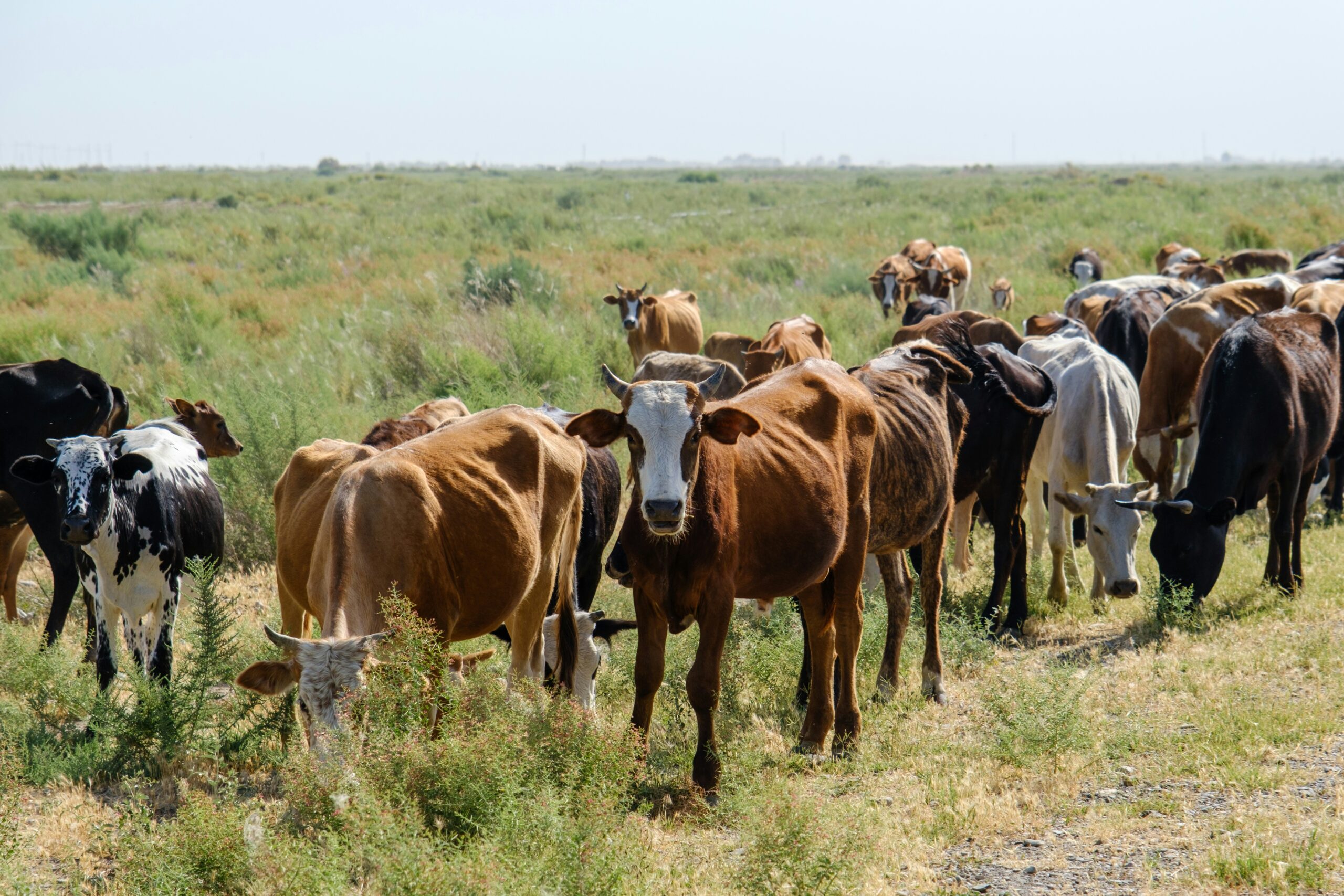
Livestock farming is an essential part of agriculture, providing meat, milk, eggs, manure, and draft power to millions of farming households. Sustainable livestock management focuses on improving animal productivity while maintaining animal welfare, environmental balance, and long-term farm profitability. With rising feed costs, disease risks, and environmental concerns, adopting sustainable practices has become increasingly important for livestock farmers.
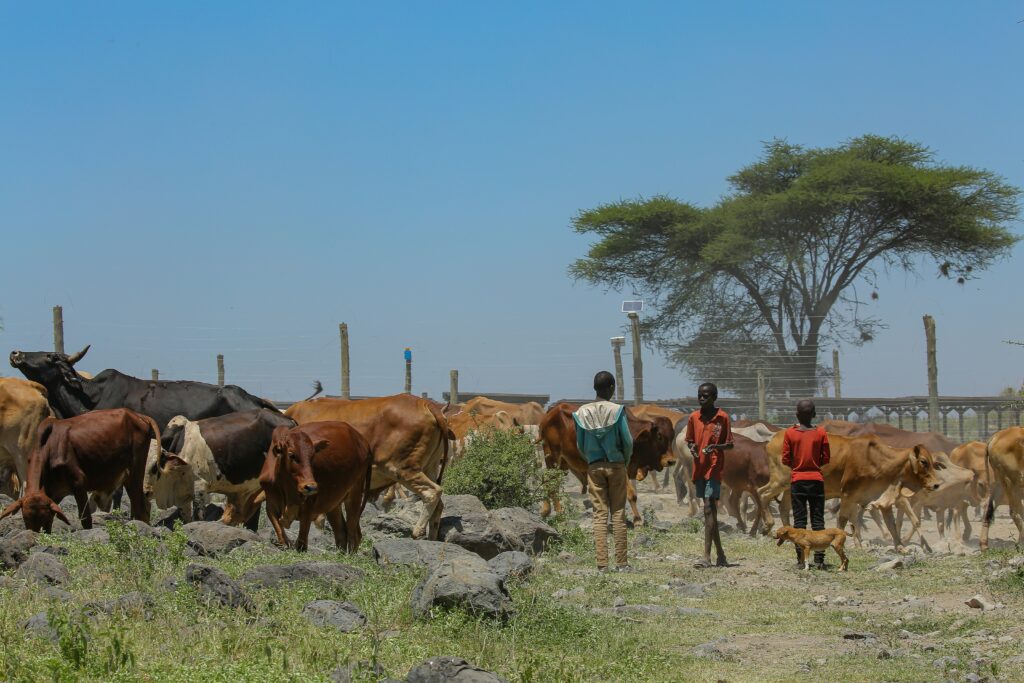
Nutrition is the foundation of healthy and productive livestock. Balanced feeding ensures that animals receive the right amount of energy, protein, minerals, and vitamins at different stages of growth and production. Using locally available feed resources, crop residues, and fodder crops reduces feeding costs. Proper feed formulation improves growth rate, milk yield, reproductive performance, and overall animal health.
Fodder management plays a key role in sustainable livestock systems. Growing high-yielding fodder crops and maintaining pasture quality ensure year-round feed availability. Silage and hay making help preserve surplus fodder for dry seasons. Integrating fodder crops into crop rotations improves soil fertility and provides reliable feed resources without competing with food crops.
Animal health management is critical for maintaining productivity and reducing economic losses. Regular vaccination, deworming, and disease monitoring prevent the spread of infectious diseases. Clean housing, proper ventilation, and hygienic conditions reduce stress and disease incidence. Early detection and timely treatment of health issues improve survival rates and performance.
Breeding and genetic improvement are important components of sustainable livestock management. Selecting suitable breeds adapted to local climate and management conditions improves productivity and resilience. Controlled breeding programs and artificial insemination help improve genetic potential, milk yield, growth rate, and disease resistance while reducing inbreeding.
Sustainable livestock systems also focus on waste management and environmental protection. Proper handling of manure reduces pollution and greenhouse gas emissions. Manure can be composted and used as organic fertilizer, improving soil health and reducing chemical fertilizer use. Biogas systems convert animal waste into renewable energy, providing clean fuel and additional income.
Animal welfare is a core aspect of sustainability. Providing adequate space, clean water, proper nutrition, and humane handling improves animal health and productivity. Stress-free animals perform better and are less prone to disease, benefiting both farmers and animals.
In conclusion, sustainable livestock management improves productivity, reduces costs, and supports environmental health. By focusing on nutrition, fodder production, animal health, breeding, waste management, and welfare, farmers can build resilient and profitable livestock systems. Sustainable practices ensure long-term benefits for farmers, animals, and the agricultural ecosystem.
Join our WhatsApp Channel for daily livestock farming tips, animal health updates, and expert agriculture guidance: https://www.whatsapp.com/channel/0029VbBz1Ni5vKAHRbmLNy45