

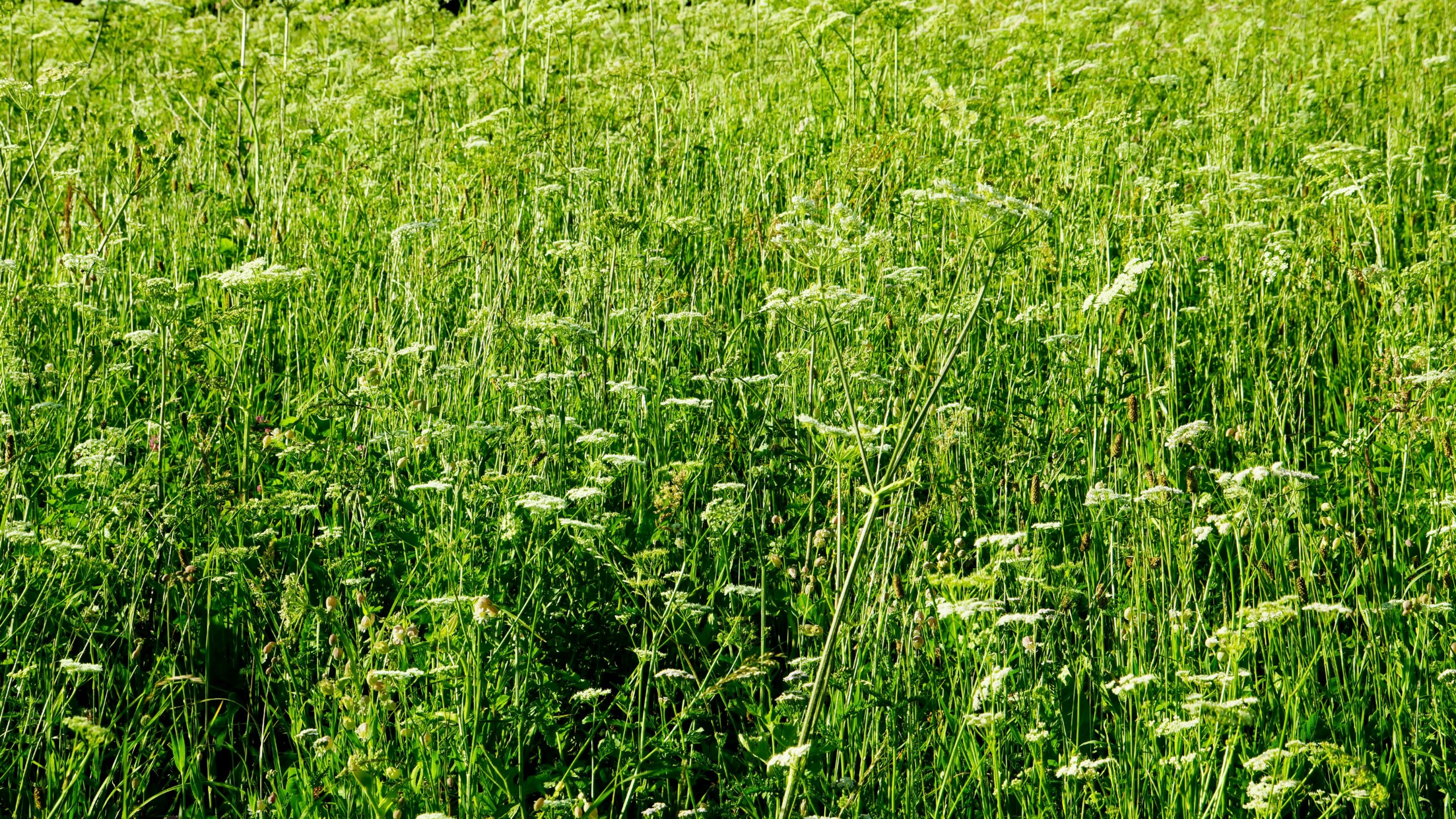
Weed infestation is one of the major challenges in agriculture, competing with crops for nutrients, water, light, and space. In organic and sustainable farming systems, weed management focuses on prevention and control methods that do not rely on synthetic herbicides. Organic weed management strategies aim to reduce weed pressure while maintaining soil health and environmental balance.
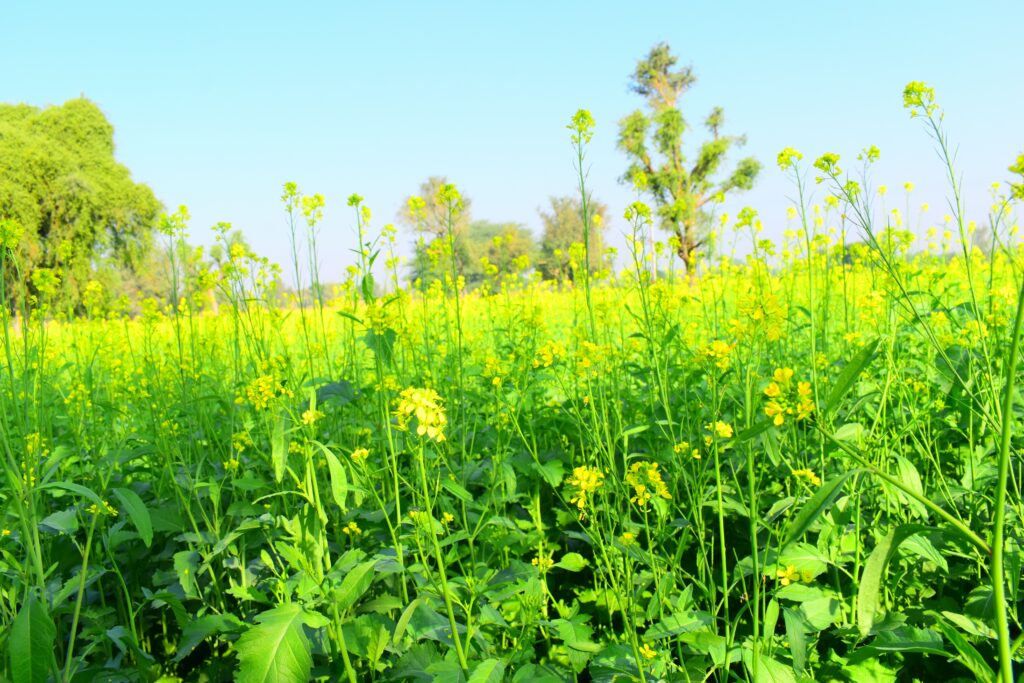
Prevention is the most effective approach to weed control. Using clean and certified seeds prevents the introduction of weed seeds into the field. Proper land preparation and timely sowing give crops a competitive advantage over weeds. Maintaining healthy and fertile soil supports strong crop growth, which naturally suppresses weed emergence.
Crop rotation plays a significant role in organic weed management. Rotating crops with different growth habits and planting times disrupts weed life cycles. Including cover crops in rotation helps smother weeds and reduce their seed production. Diverse rotations prevent weeds from adapting to a single cropping pattern.
Mulching is a widely used organic weed control technique. Organic mulches such as straw, crop residues, and compost block sunlight, preventing weed germination. Mulching also conserves soil moisture and improves soil organic matter. In vegetable production, biodegradable plastic mulches are sometimes used to control weeds effectively.
Mechanical and manual methods are important tools in organic systems. Hand weeding, hoeing, and mechanical cultivation remove weeds before they compete with crops. Timing is critical, as young weeds are easier to control. Regular monitoring ensures timely intervention and reduces labor requirements over time.
Biological weed control involves the use of natural enemies such as insects, grazing animals, or competitive plants. Grazing livestock can help manage weeds in certain systems. Cover crops and living mulches compete with weeds and reduce their growth.
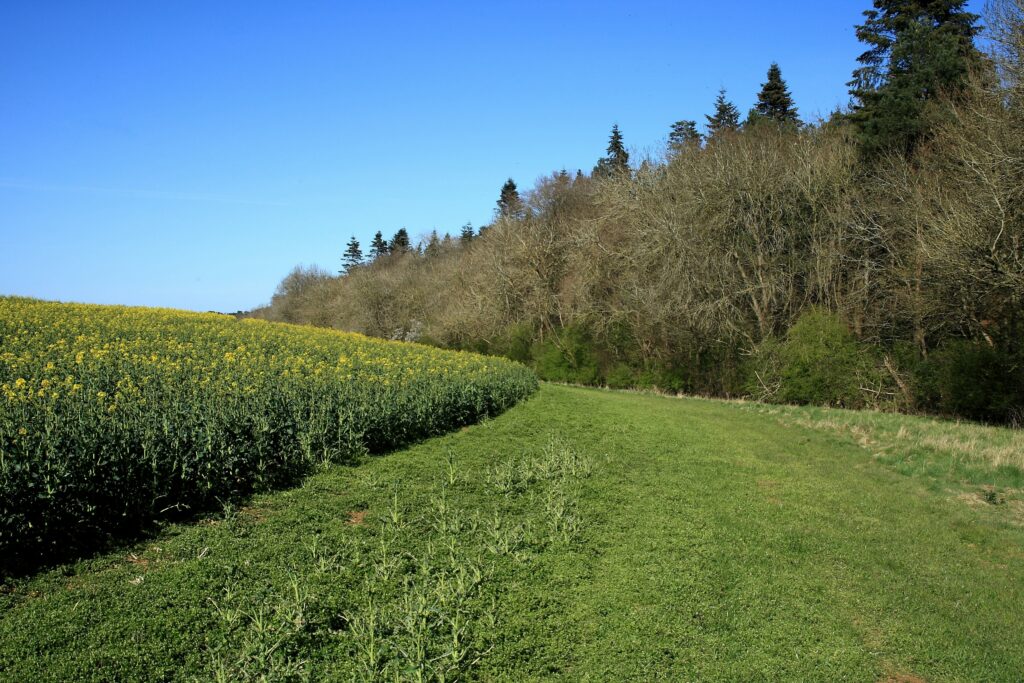
Long-term organic weed management requires patience and consistency. Reducing the weed seed bank in the soil over time leads to lower weed pressure in future seasons. Combining multiple strategies provides the best results and supports sustainable crop production.
In conclusion, organic weed management strategies offer effective and environmentally friendly solutions for controlling weeds. Through prevention, crop rotation, mulching, mechanical control, and biological approaches, farmers can manage weeds sustainably while protecting soil health and crop productivity.
Join our WhatsApp Channel for daily organic farming tips, weed management guidance, and expert agriculture advice: https://www.whatsapp.com/channel/0029VbBz1Ni5vKAHRbmLNy45